

Construction and demolition (C&D) waste includes materials from building, renovating, and demolishing structures, such as rock, soil, asphalt, bricks, concrete, plasterboard, timber, and vegetation. It also encompasses hazardous substances like asbestos and contaminated soil. C&D waste is not just discarded materials but a diverse array of recyclable and reusable resources.
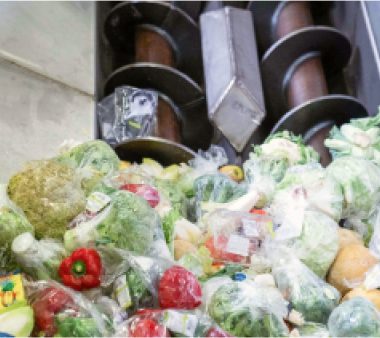
Organic waste, from plants or animals, such as food scraps, garden waste, timber, paper, cardboard, and biosolids - can be leveraged for resource recovery and reuse, reducing environmental impact and promoting sustainability.
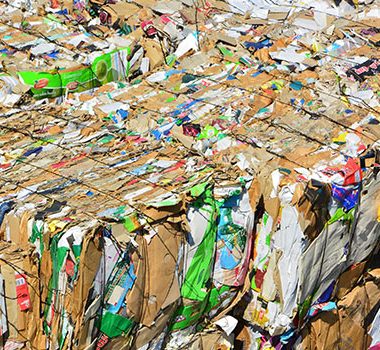
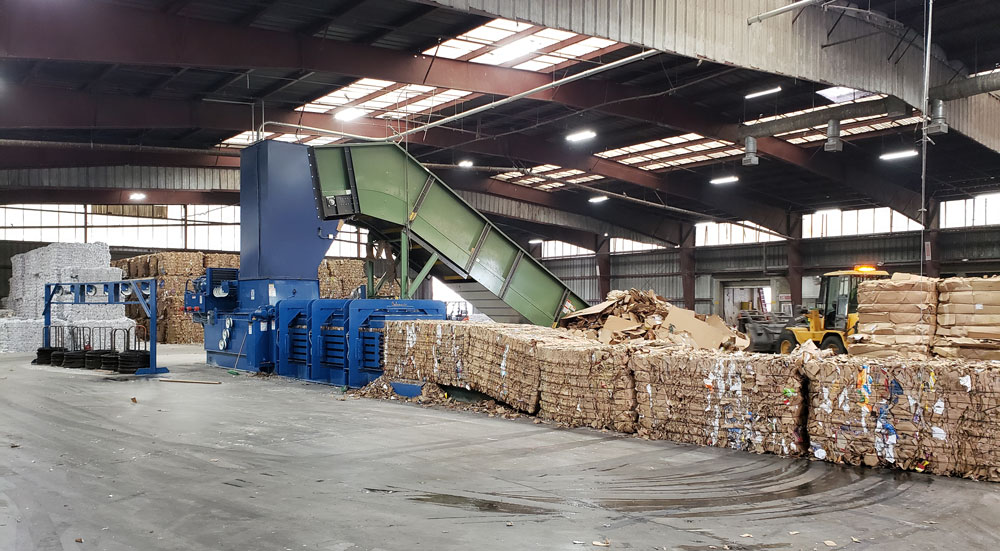
Waste Initiatives offers a range of balers, shredders and waste compactors to help you manage your cardboard waste easily and in a profitable manner.
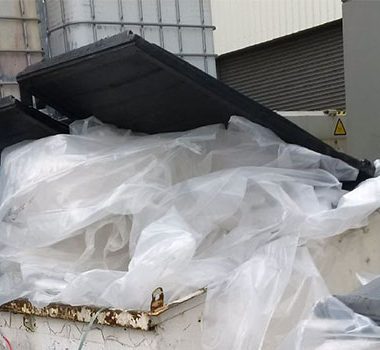
Plastic is prevalent in an ever-expanding array of modern-day products – everything from paper clips to spaceships! As most plastic types aren’t biodegradable, recycling plays a huge part in global efforts to reduce plastic in the waste stream.
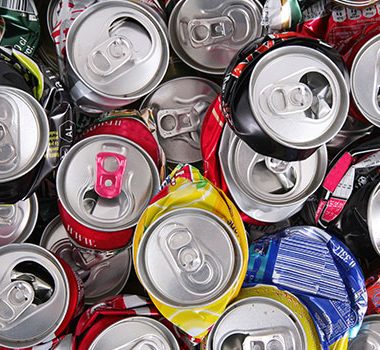
Recycling has been commonplace in the steel industry for over 150 years as it is the most economically viable way to produce steel. It is much more affordable and time-saving than mining iron ore and manipulating it through the production process to form new steel.
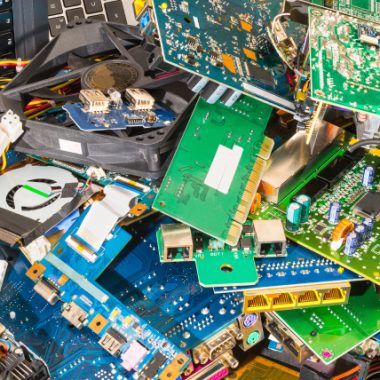
E-Waste disposal will continue to be an expanding market as technology becomes more pivotal to day-to-day affairs worldwide. Electronics can contain various valuable materials like gold, silver, platinum and base metals like copper, iron and aluminium which are all recoverable. E-Waste that isn’t properly disposed of can expose private secure...
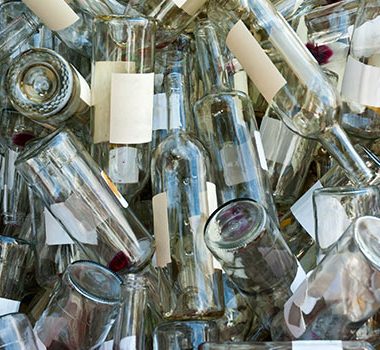
Glass is a fantastic resource for recycling purposes as it makes up a large component of household and industrial waste due to its weight and density. Glass is infinitely recyclable for new container manufacturing.
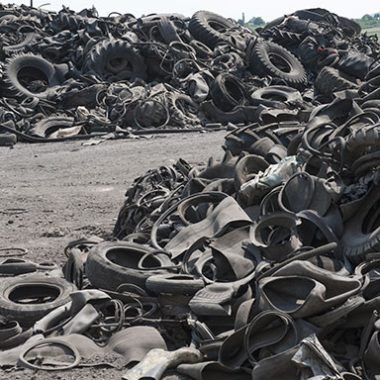
Tyres are a challenging waste product as their large volume, durability and internal void take up valuable landfill space quickly. New technologies like pyrolysis and de-vulcanisation mean tyres can now be recycled to become tyre-derived fuels, new rubber products, playground surfaces, new tyres and rubber-modified asphalt.
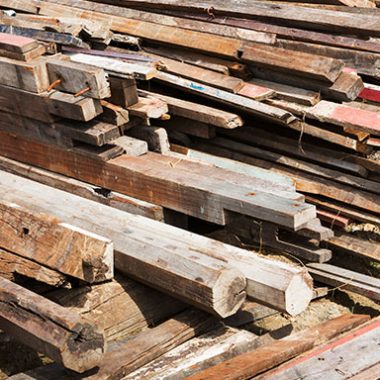
Recycled timber is the most environmentally friendly form of composite timber production in Australia and New Zealand, where remnants of wooden structures and imported wooden pallets are abundant. Another use for recycled timber is to shred it down into wood chips to power homes or to use as mulch for...
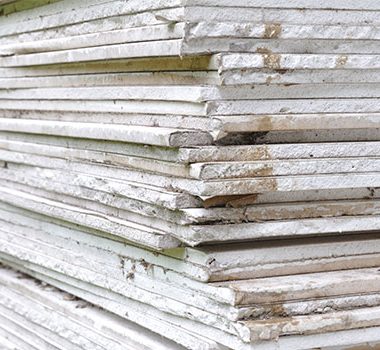
Our range of shredding & pulverising systems can achieve volume reduction, sizing and segregation of non-gypsum material in order to maximise the value of the processed plasterboard to the recycler.
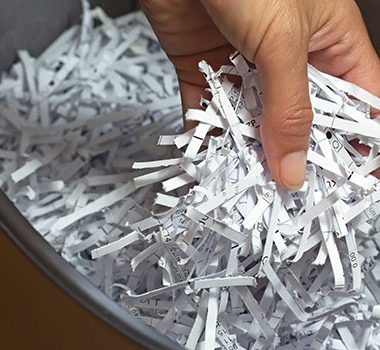
The privacy and confidentiality of sensitive information is more important than ever due to today’s online business environment. The Privacy Act requires many companies to ensure the confidentiality of personal information and so disposing this waste securely and safely is essential.
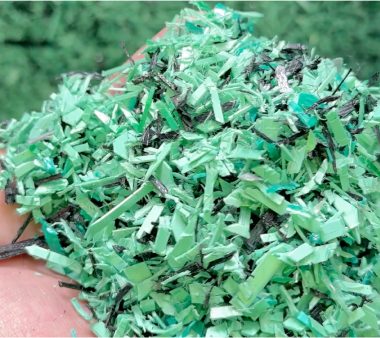
Discover Waste Initiatives' advanced granulating solutions for effective PET strapping waste recycling, reducing landfill disposal while optimising resource recovery to close the loop in PET plastic strapping waste.

If you are in the process of evaluating the best options for your facility, our advice for the best medical waste treatment and disposal methods could be invaluable. We focus on not only providing the technology to hygienically and ethically dispose of your clinical waste, but also on reduction of...
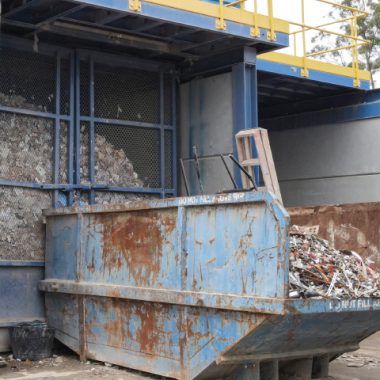
Government and industry efforts have attempted to minimise municipal solid waste (MSW) – otherwise known as trash or garbage – yet it still dominates the waste stream. An alternative option to detrimental landfill is to turn this waste into energy with refuse derived fuel (RDF).
Looking for Waste Types?
Thanks to over 40 years’ experience in design & supply of high quality waste management equipment, we can offer the latest waste technology available in the world today.
With hundreds of customers in all states & territories of Australia, you’re in good company. We’re worth a call.