There has been a strong push in recent years – by both Environment Protection Agencies and state governments – for councils to reduce the volume of waste disposed in landfill sites.
Distribution centres receive large quantities of goods wrapped in cardboard or plastic materials. Once these goods are unpacked, substantial amounts of waste packaging remain. As waste disposal costs increase, skips aren’t as viable an option as they once were for regular collection of this waste. Waste Initiatives offers valuable solutions to packaging material disposal.
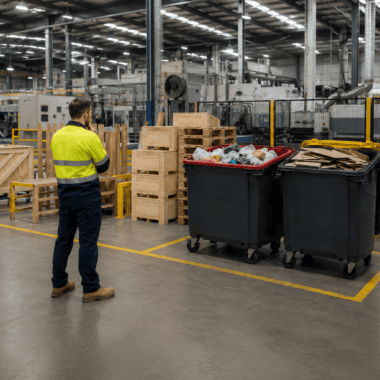
The proper facility management of factories, warehouses and housing developments includes the ability to efficiently manage tenants’ waste disposal. This involves facility managers offering simple and useful methods to dispose various waste products without taking up too much building space.
Hospitals generate a wide range of waste products, both by way of regular safe-to-handle products like packaging materials and recyclables, but also a large portion of sensitive waste products which require special handling and treatment.
Hospitality establishments like hotels, restaurants and catering companies create large amounts of cardboard, plastic and food waste. Large functions and sporting events also produce massive quantities of waste which need to be removed in a speedy and effective manner. Hospitality waste is problematic as it’s bulky and smelly to dispose.
Manufacturing in Australia creates substantial amounts of mixed recyclable materials from a range of packaging types. The good news is that steel, cardboard and plastic can be recovered and recycled for other uses. A challenge manufacturers experience is separating the recyclable material to be baled or compacted for a recycler’s use. As a result, many manufacturers are wasting valuable products which could generate a substantial revenue stream for them.
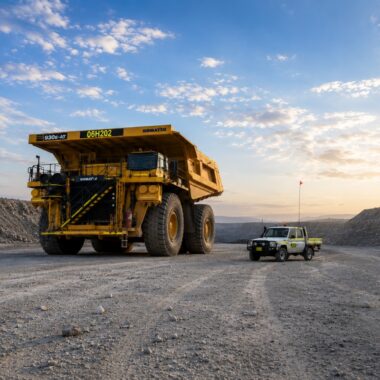
Mine sites are often established in regional, remote or even offshore locations and generate a large volume of waste material. With considerable scrutiny from environmental authorities, correct disposal of waste generated from site is essential. With the implementation of best-practice waste reduction technologies, there is also the added benefit of reducing disposal costs and potential revenue from recyclable waste streams.
Retail outlets generate huge quantities of cardboard, paper and general waste. In the past, waste was disposed of using expensive uncompacted bins, now the retail industry is relying on balers and waste compactors as a superior alternative. Not only does this reduce their waste and carbon footprint considerably, but it also cuts disposal costs by a large margin.
Australia’s waste is predominantly handled by waste contractors, material recovery facilities and transfer stations. These systems facilitate the removal of waste from the point of generation, ensure maximum landfill diversion and attend to the recycling of commodities including paper and cardboard, glass, plastic, gyprock, steel and other reusable materials.
Waste Initiatives offers a range of balers, shredders and waste compactors to help you manage your cardboard waste easily and in a profitable manner.
The privacy and confidentiality of sensitive information is more important than ever due to today’s online business environment. The Privacy Act requires many companies to ensure the confidentiality of personal information and so disposing this waste securely and safely is essential.
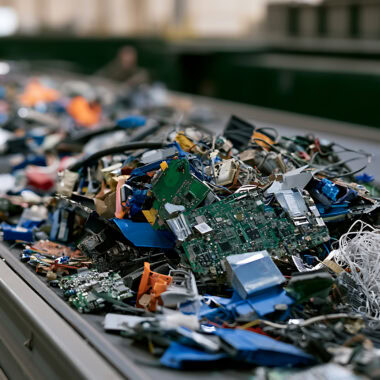
E-Waste disposal will continue to be an expanding market as technology becomes more pivotal to day-to-day affairs worldwide. Electronics can contain various valuable materials like gold, silver, platinum and base metals like copper, iron and aluminium which are all recoverable. E-Waste that isn’t properly disposed of can expose private secure information so it is vital we put an emphasis on confidentiality with our management of this waste.
Government and industry efforts have attempted to minimise municipal solid waste (MSW) – otherwise known as trash or garbage – yet it still dominates the waste stream. An alternative option to detrimental landfill is to turn this waste into energy with refuse derived fuel (RDF).
Glass is a fantastic resource for recycling purposes as it makes up a large component of household and industrial waste due to its weight and density. Glass is infinitely recyclable for new container manufacturing.
If you are in the process of evaluating the best options for your facility, our advice for the best medical waste treatment and disposal methods could be invaluable. We focus on not only providing the technology to hygienically and ethically dispose of your clinical waste, but also on reduction of your disposal costs.
Recycling has been commonplace in the steel industry for over 150 years as it is the most economically viable way to produce steel. It is much more affordable and time-saving than mining iron ore and manipulating it through the production process to form new steel.
Our range of shredding & pulverising systems can achieve volume reduction, sizing and segregation of non-gypsum material in order to maximise the value of the processed plasterboard to the recycler.
Plastic is prevalent in an ever-expanding array of modern-day products – everything from paper clips to spaceships! As most plastic types aren’t biodegradable, recycling plays a huge part in global efforts to reduce plastic in the waste stream.
Polystyrene is a bulky material containing mostly air, which if not recycled, will take up precious space in landfill and resist breaking down due to its inert nature. When compacted, its density increases and it becomes a high-value recyclable commodity for producers of recycled plastic pellets.
Recycled timber is the most environmentally friendly form of composite timber production in Australia and New Zealand, where remnants of wooden structures and imported wooden pallets are abundant. Another use for recycled timber is to shred it down into wood chips to power homes or to use as mulch for plants.
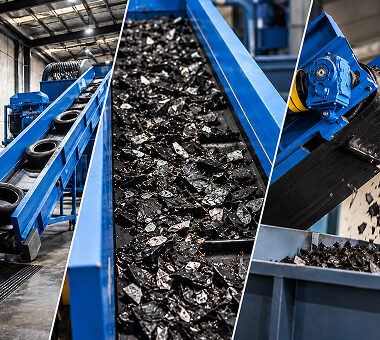
Tyres are a challenging waste product as their large volume, durability and internal void take up valuable landfill space quickly. New technologies like pyrolysis and de-vulcanisation mean tyres can now be recycled to become tyre-derived fuels, new rubber products, playground surfaces, new tyres and rubber-modified asphalt.
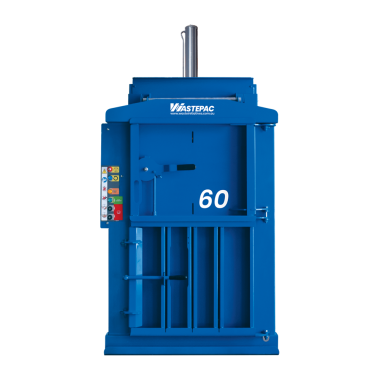
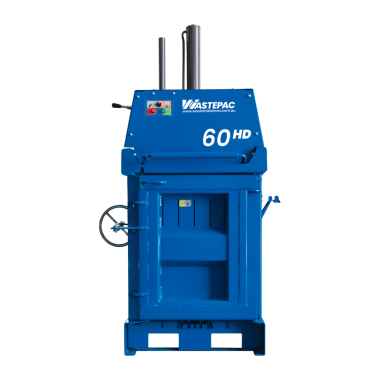
Vertical balers are used to compact material to facilitate easy storage, handling and transport. Typical materials baled in the waste management and recycling industries are plastic packaging, plastic bottles, paper, cardboard packaging, light gauge ferrous and non-ferrous metals. Essentially, vertical balers can be used for any product which can be compacted into a bale. Waste Initiatives sells a premium range of vertical balers. We have options from small single-phase units producing a bale of 40kg, up to large balers, producing bales weighing over 500kg!
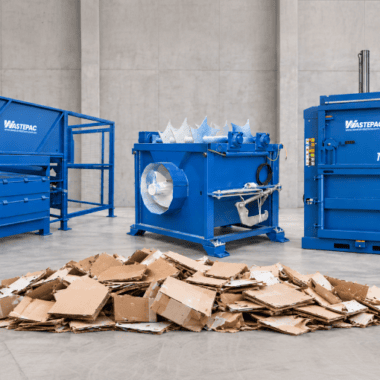
Our WastePac range of horizontal balers have been developed to meet the needs of the Australian waste industry. These high-density units provide large-scale waste generators and recycling enterprises with an effective and reliable baling solution. From small semi-automatic (manual-tie) balers through to fully automatic channel balers we have your needs covered.
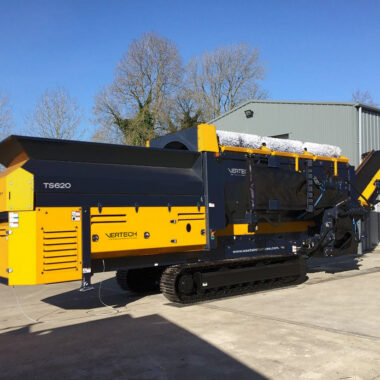
Waste Initiatives’ shredders are heavy-duty machines designed for industrial applications and can be configured to efficiently process a wide range of materials, including: paper, cardboard, plastic, ferrous and non-ferrous metal and tyres.
The newest and most powerful Double Shaft Slow Speed Shredder in its class. The HAAS TYRON shreds the most difficult of material. Convincing features include: high performance capability, robustness, aggressive in feed, high quality & efficiency, ease of maintenance and life longevity.
Our PC Series granulators are designed for volume reduction and sizing of various materials. To suit different applications and improve efficiency of granulating different materials, a selection of rotor configurations are available.
Holding Australia’s widest range of waste compactors, Waste Initiatives is sure to have the compaction solution you need. Our waste compactors range in size from units that compact waste in bags and wheelie bins right through to high-throughput waste transfer compactors. Tight space? Tough material? High volume? Challenge us with your application and see why so many clients are putting their confidence in Waste Initiatives.
Waste Initiatives’ drum crushers are sturdily built units with excellent functionality, ensuring the fast and efficient crushing of steel drums. Drum crushers are suitable for drum sizes up to 205L, and are equipped with drum piercing spikes and a 30L oil retention tank to capture any residue for your convenience.
At Waste Initiatives, we are the experts when it comes to effectively managing your glass waste to reduce your overall waste management costs. We have a range of machines to reduce your glass to cullet, safe-handling glass or all the way down to sand. This handy equipment simply and efficiently saves you time and money in waste disposal costs.
Waste Initiatives has a long history of designing & building complete product destruction systems to maximise landfill diversion and reduce often-expensive contracted disposal costs for secure waste products. Our focus on preserving the environment as well as your profitability has seen us design & produce an innovative range of solutions with some projects not only resulting in 100% landfill diversion but also producing an income stream from the processed waste.
Waste Initiatives has the capacity to design & produce complete sorting solutions from low-throughput sorting lines through to high-volume MRFs and downstream processors. Our project engineers are keen to assist with your venture and have a wealth of knowledge to be drawn on. Wether it be a complete turnkey system you need or a plant upgrade requiring componentry such as trommel screens, magnet separators, eddy currents, optical sorting technology, dust extraction/supression etc, Waste Initiatives has the the expertise to assist.
From the smallest infeed and discharge conveyors through to heavy-duty waste receival and sorting conveyors for high-throughput MRFs, Waste Initiatives has been a trusted supply on many of these projects throughout Australia and further abroad.
We hold a wide range of consumables and spare parts to support our range of waste & recycling equipment. We offer fast turnaround times on stock dispatches and aim for same-day service where possible.
Talk to Waste Initiatives today to find out more about our waste & recycling solutions.