
Food Organics Recovery Is Becoming More Important
Across Australia, greater emphasis is being placed on keeping food and organic material out of landfill and returning it to productive use.
In NSW, new food organics requirements are being progressively introduced for supermarkets, hospitality businesses and certain institutions. The first stage commenced on 1 July 2026 for larger generators, with additional businesses progressively captured in 2028 and 2030.
For businesses producing clean, source-separated food waste, collection may be relatively straightforward. Packaged food waste presents a different challenge.
Food contained in plastic bags, bottles, trays, cartons, tubs and other packaging cannot simply be treated in the same way as a clean organic stream. The packaging needs to be effectively separated so the organic fraction can be directed toward an appropriate downstream recovery process while the separated packaging can be managed independently.
This is where depackaging becomes an important part of food waste recovery infrastructure.
We provide engineered depackaging systems designed to meet your specific needs, offering more than just equipment solutions.
Turning Packaged Waste Into Recoverable Material Streams
Depackaging mechanically separates the contents of packaged products from the packaging itself.
Depending on the material and system configuration, the process can produce two primary output streams:
Organic fraction
Separated food or liquid material that can be prepared for suitable downstream applications such as anaerobic digestion, biogas production or composting, subject to the requirements of the receiving facility.
Packaging fraction
Separated plastics, metals, cartons and other packaging materials that can be further processed, sorted, recycled or disposed of according to their composition and contamination level.
Rather than treating packaged food as a single waste stream, depackaging creates the opportunity to recover the material contained within the packaging while responsibly recycling the packaging.
Complete Depackaging System Solutions
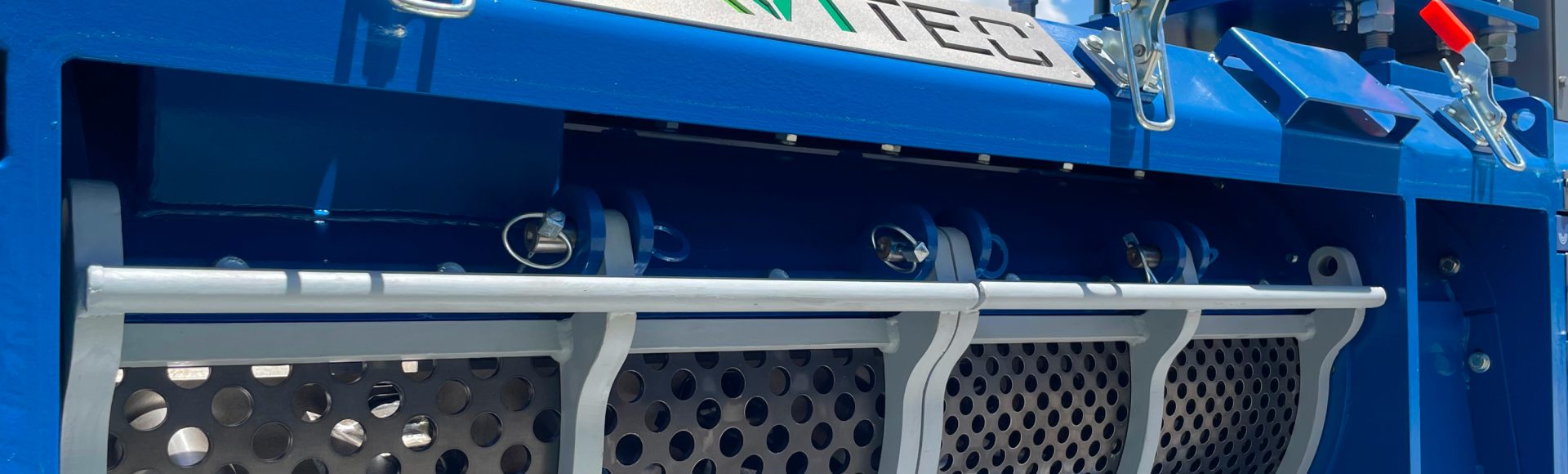
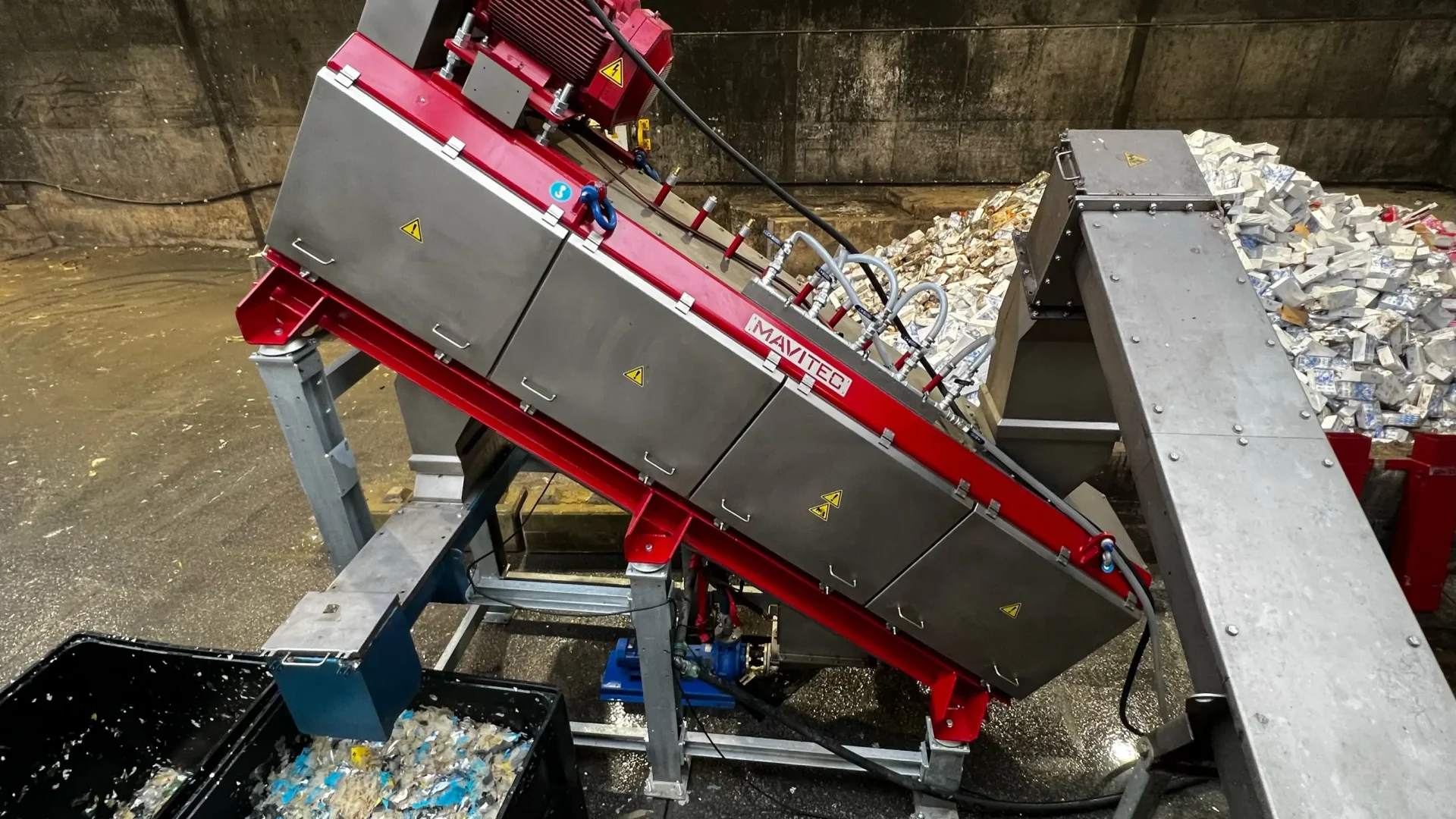
We deliver turnkey depackaging systems that can be customised with conveyors, hoppers, and collection bins to fit your specific needs. We provide comprehensive training and support, including access to essential parts and after-sales servicing to ensure continued operational efficiency. The Mavitec Paddle Depacker S and Depacker 2.0 are a compact and heavy-duty waste management solution that efficiently separates packaging from organic material. With their low maintenance design and user-friendly features it reduces waste volume and produces clean organic matter (>99.7%) suitable for biogas installations.
Operating with low power consumption and minimal noise, the Paddle Depacker offers an efficient and practical solution for waste reduction and processing of organic materials, making it perfect for industries in need of effective depacking and waste management solutions. We also offer WastePac integrated depackaging systems that can separate food, liquid and co-products from its packaging, and shred, granulate, or compact the resulting materials. See Shredding systems for more information.
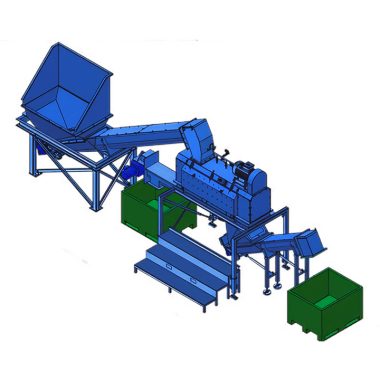
This configuration represents our entry-level solution featuring a 1 m³ hopper and dual conveyors for discharging materials into boxes. It is designed to process both wet and dry materials with ease.
- Capacity: 1-5 m³/hour
- Power: 11-18 kW
- Applications: Includes supermarket, kerbside, restaurant, and factory waste.
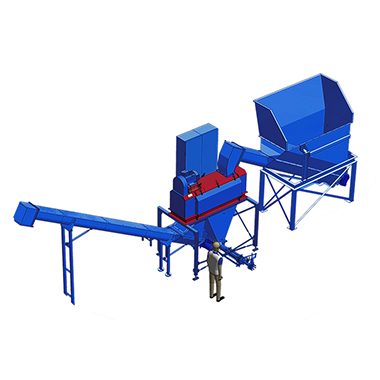
This solution comes equipped with a 2.2 m³ hopper, and discharge pump designed for organic materials. It is ideal for smaller quantities while maintaining consistent high-quality output.
- Capacity: 1-5 m³/hour
- Power: 11-18 kW
- Applications: Include supermarket waste, kerbside waste, restaurant/hotel waste, factory rejects and other food co-products
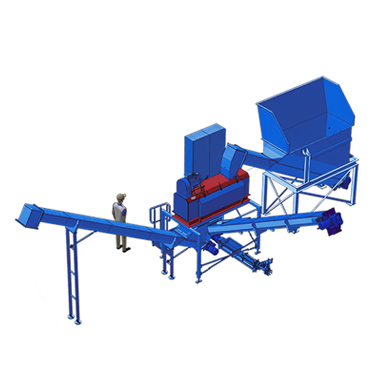
This setup uses an organic discharge conveyor to efficiently process wet and dry materials, with a pump ensuring a smooth transition between them, optimising overall processing efficiency.
- Capacity: 1-5 m³/hour
- Power: 11-18 kW
- Applications: Include supermarket waste, kerbside waste, restaurant/hotel waste, factory rejects and other food co-products
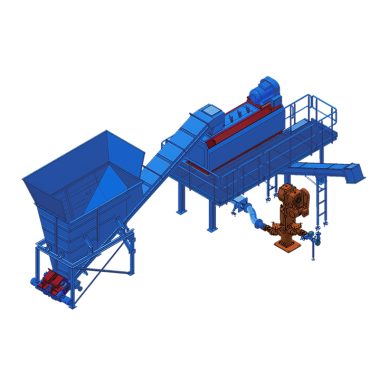
Our highly popular and effective solution includes a dual-feed hopper and a durable piston pump, providing consistent and reliable processing. This setup ensures extended periods of efficient depacking and ongoing operational reliability.
- Capacity: 15-30 m³/hour
- Power: 45-55 kW
- Applications: Includes supermarket, kerbside, and restaurant waste, factory rejects, other food co-products and plasterboard.
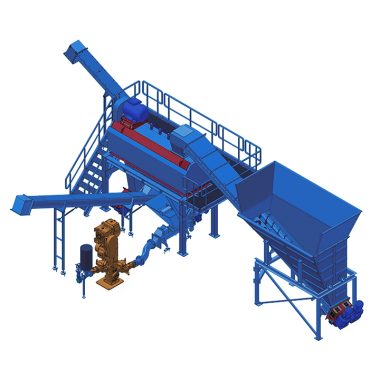
This setup uses an organic discharge conveyor, providing the ability to process both wet & dry materials, including crisps, cookies, and many other products.
- Capacity: 15-30 m³/hour
- Power: 45-55 kW
- Applications: Include supermarket waste, kerbside waste, restaurant/hotel waste, factory rejects and other food co-products
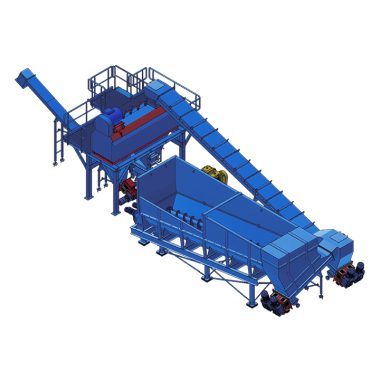
This solution provides a 15-25 m³ bin that enables increased storage capacity, while its multiple conveyors and twin feeding capabilities prevent bridging and ensure consistent material feeding to the depacker.
- Capacity:15-30 m³/hour
- Power: 45-55 kW
- Applications: Include supermarket waste, kerbside waste, restaurant/hotel waste, factory rejects and other food co-products.
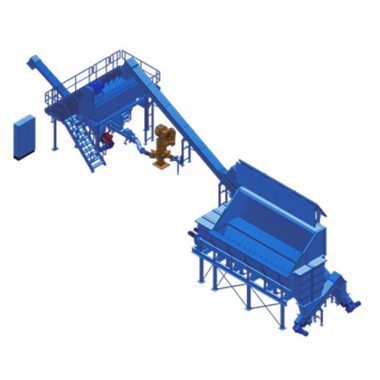
This solution offers a 20-40 m³ bin with enhanced storage. Positioned in a pit for direct truck discharge, it features multiple conveyors to prevent bridging and maintain a steady material flow to the depacker.
- Capacity:15-30 m³/hour
- Power: 45-55 kW
- Applications: Include supermarket waste, kerbside waste, restaurant/hotel waste, factory rejects and other food co-products.
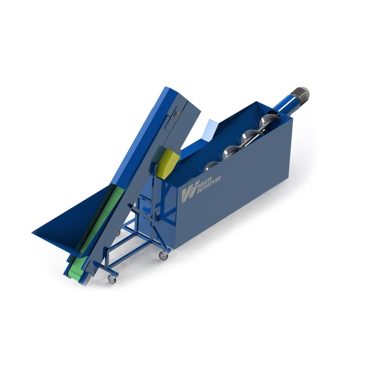
Packaged food waste product destruction systems that separate organic materials from packaging sustainable disposal and recycling to reduce the volume of waste going to landfill.
- Applications: Include supermarket waste, factory rejects and other food co-products.
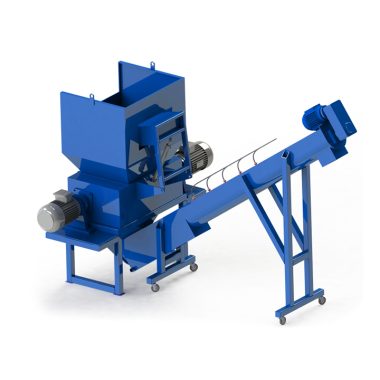
Packaged liquid product destruction systems that separate liquid from packaging and resize materials for sustainable disposal and recycling to reduce the volume of waste going to landfill. See a client example here.
- Applications: Include supermarket waste, factory rejects and other food co-products.
Custom Engineered Solutions For Any Waste Challenge
Tailored engineered solutions, customising destruction systems for almost any material. No waste problem is unapproachable. Our equipment specialists excel in solving waste challenges, aiming to meet your waste management expectations with a solid ROI. Contact us today to learn more about how our solutions can benefit your operations.
Key Components of Depackaging Systems
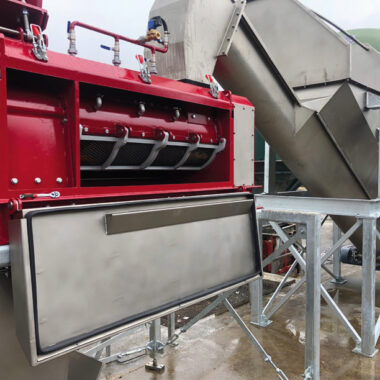
The Mavitec Paddle Depacker efficiently separates packaging from organic material, reducing waste volume and producing biogas-ready matter with low power consumption and minimal noise.
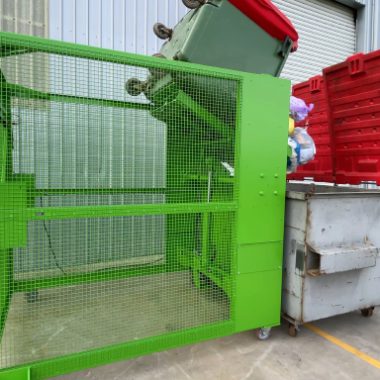
Essential for safe & efficient waste handling, these components help load waste into the system through bin lifters or directly into in-feed hoppers.
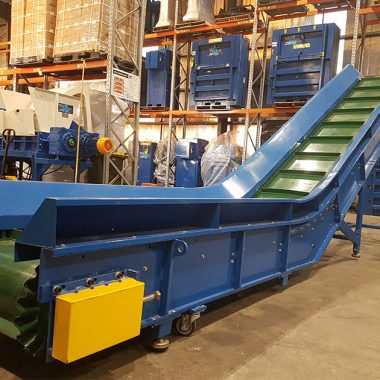
Configurable in various ways, conveyors transport waste efficiently through the system, utilising infeed and outfeed setups.
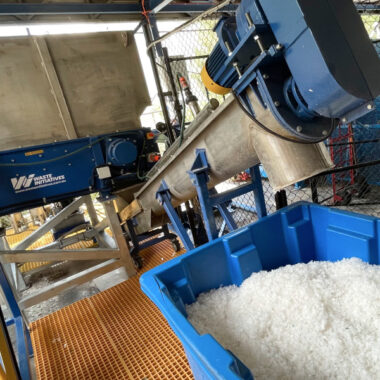
Our industrial shredders cater to various needs: Single Shaft for high-volume, Dual Shaft for heavy-duty, and Four Shaft for consistent size control.
Depackaging Systems In Action
Make An Enquiry
Thanks to over 40 years’ experience in design & supply of high quality waste management equipment, we can offer the latest waste technology available in the world today.
With hundreds of customers in all states & territories of Australia, you’re in good company. We’re worth a call.