
Organic Waste
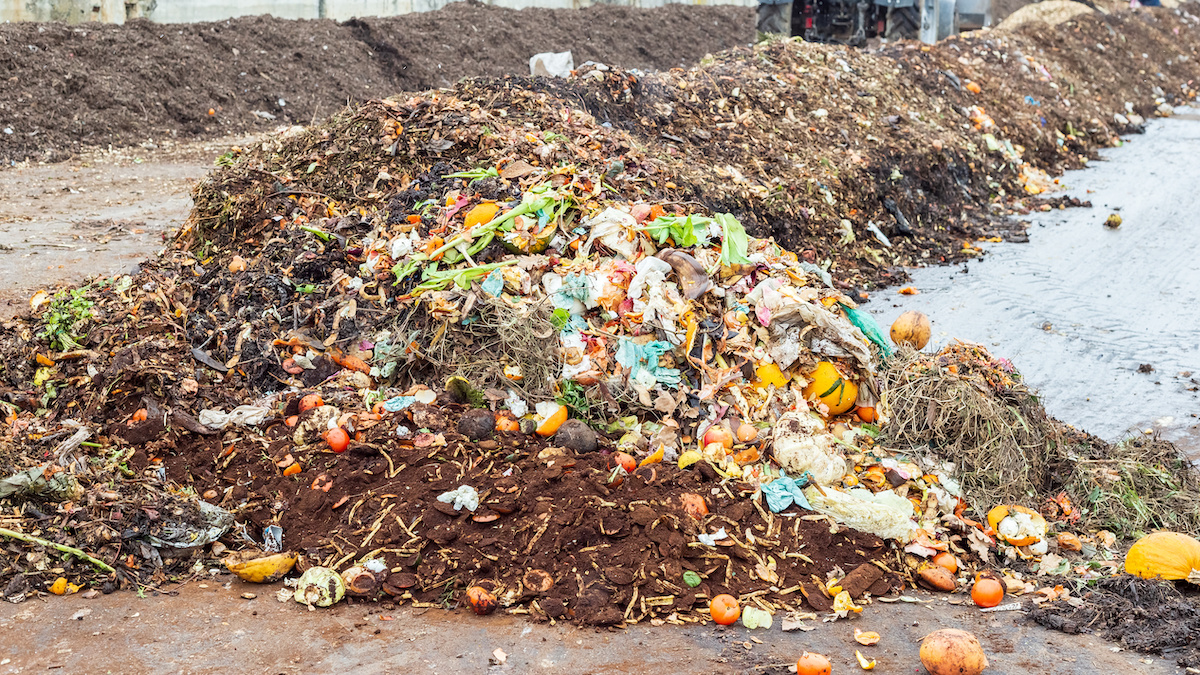
Organic waste, derived from plant or animal sources, is biodegradable & includes food waste, garden organics, timber waste, paper, cardboard, & biosolids. As these materials break down, they produce carbon dioxide, water, & methane.
Leveraging this degradation process enables resource recovery and reuse, reducing environmental impact and advancing sustainability. In the 2022 National Waste Report, it was found that in the financial year 2020-2021 Australia generated 14.4 million tonnes of organic waste, with a recovery rate for core organics of 58%. A more recent report, National Waste and Resource Recovery Report 2024, estimated in the financial year 2022-2023, 14.6 million tonnes of core organic waste was generated, the equivalent of 556 kg per capita. The national resource recovery rate for organics in this report was estimated at 62%, which implies that Australia must be making progress in the recovery and processing efforts of organic waste.
Organic waste in Australia primarily consists of vegetation (31%), food organics (28%), timber (14%), biosolids (11%), and sawdust (1.5%), with other mixed organics making up the remainder. This category of waste is a significant part of the national waste stream. To enhance sustainability and circularity in waste management, organic waste is primarily processed through:
- Composting and Mulching
- Anaerobic Digestion
- Biosolids Application to Land
- Energy Recovery (Landfill Gas)
- Waste-Derived Fuels
Challenges
In Australia, organic waste recovery and recycling face numerous challenges. These include inadequate infrastructure, complex regulations, low public awareness, and economic viability issues.
To address these challenges effectively, coordinated action is essential. This includes investing in infrastructure, streamlining regulations, enhancing public awareness, and advancing recycling technology. Government, industry, small businesses, and households must collaborate to drive progress towards sustainable organic waste management. The National Food Waste Strategy aims to halve the amount of organic waste (specifically food waste) sent to landfill by 2030. This strategy also seeks to effectively eliminate food waste from wholesale and retail operations, more than halve it from production, manufacturing, and hospitality, and reduce household food waste by 30%.
75.6M
Tonnes of headline waste generated in Australia 2022-23
14.6M
Tonnes of organic waste generated by Australia in 2022-23
556kg
Organic waste per capita generated in 2022-23
62%
Resource recovery rate on organic waste
Characteristics
Organic waste, originating from plant and animal sources, is biodegradable and boasts high moisture and nutrient levels, rendering it perfect for composting and anaerobic digestion.
Managed properly, it yields valuable resources such as compost, mulch, biochar, biogas, and fertilizers, thus slashing landfill reliance and bolstering soil health.
Effective management of organic waste via recycling and re-use carries substantial environmental and economic advantages.
However, the viability and marketability of these resources hinge on local conditions, pricing structures, and advancements in recycling technologies.
Below is a list of diverse types of organic waste offer promising recycling and re-use opportunities:
-
Food waste
Whether from households, commercial enterprises, or industries, this biodegradable, nutrient-rich material is optimal for composting and biogas generation.
-
Forestry/raw timber waste
Comprising tree trimmings, wood chips, and sawdust, suitable for composting, mulching, or biochar conversion via pyrolysis.
-
Garden/yard waste
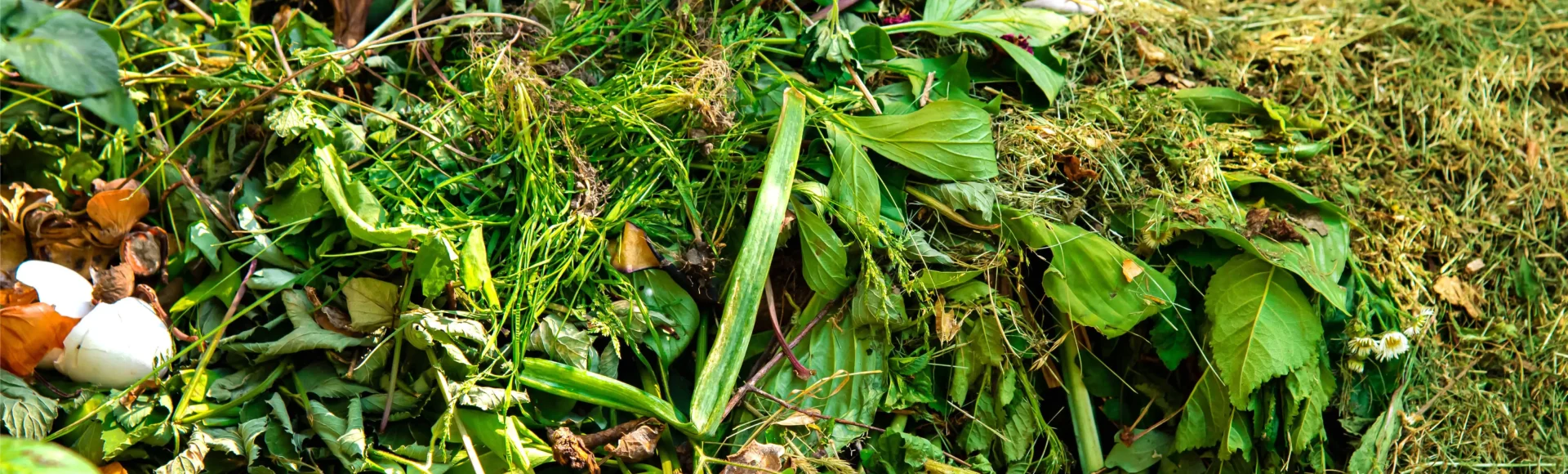
Including grass clippings, leaves, prunings, and weeds, ideal for composting and mulching purposes.
-
Agricultural Waste
Crop residues, manure, and slaughterhouse waste, ripe for composting into fertilisers.
-
Eco paper/cardboard
Recyclable uncoated paper that can be composted or refined for carbon addition to soil.
-
Biosolids and Sewage Sludge
Suited for composting or anaerobic digestion, serving as soil amendments and fertilisers.
-
Other organic materials
Natural textiles and bio-plastics, meeting biodegradability standards, are compostable. Additionally, organic industrial waste like spent grains from breweries can undergo composting or digestion.
Solutions
To tackle organic waste management challenges, Waste Initiatives provides a range of efficient equipment solutions, for optimising resource recovery effectively.
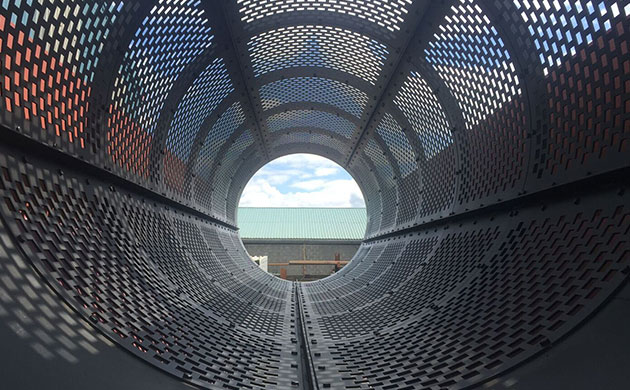
Our Zemmler Trommel Screens offer mobile dual screening for mixed organic waste. They feature interchangeable screens (2 to 80 mm mesh), electric drive, and optional add-ons like remote control and extended conveyors for versatile organic material extraction.
Waste Initiatives’ ExBio Food Digesters, turn food waste into liquid within 24 hours, diverting it from landfills. Using oxygen and microorganisms, they handle 25 kg to 10,000 kg of organic waste daily, suitable for residential to industrial use, offering environmental and financial benefits. Highlighting the exceptional Mavitec Depacking range is essential, as it offers a comprehensive solution for separating organic waste from its packaging.
The product line includes the highly efficient Martinaters, for resizing organic material, and the robust Paddle Depackers, engineered to separate packaging from organic matter. These innovative solutions achieve an impressive 99.7% purity of organic material, making them ideal for processing waste from food manufacturing, wholesale and retail where the waste would be processed into animal feedstock & biogas.
The German-engineered Olnova Series primary shredder range present tracked, hook-lift, and stationary models with diesel or electric engines, remote operation, reverse shafts, and ESD systems for safety and performance. Capacities range from 15 to 200 tons per hour, meeting diverse robust organic waste processing needs.
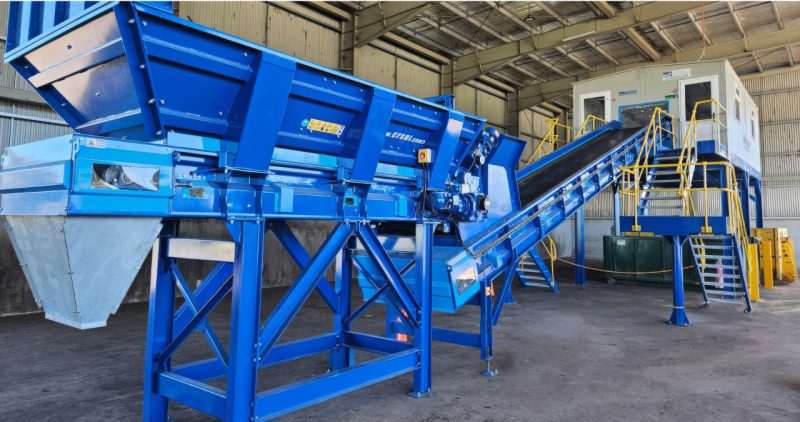
Equipment such as sorting systems, mobile shredders, shredder systems, and granulators, right through to complete waste recycling systems are viable solutions for processing and managing your organic waste. These technologies offer efficient, scalable options that ensure optimal resource utilisation and sustainability.
Equipment For Organic Waste


Make An Enquiry
Thanks to over 40 years’ experience in design & supply of high quality waste management equipment, we can offer the latest waste technology available in the world today.
With hundreds of customers in all states & territories of Australia, you’re in good company. We’re worth a call.