
Why Copper Recovery Requires the Right Solution
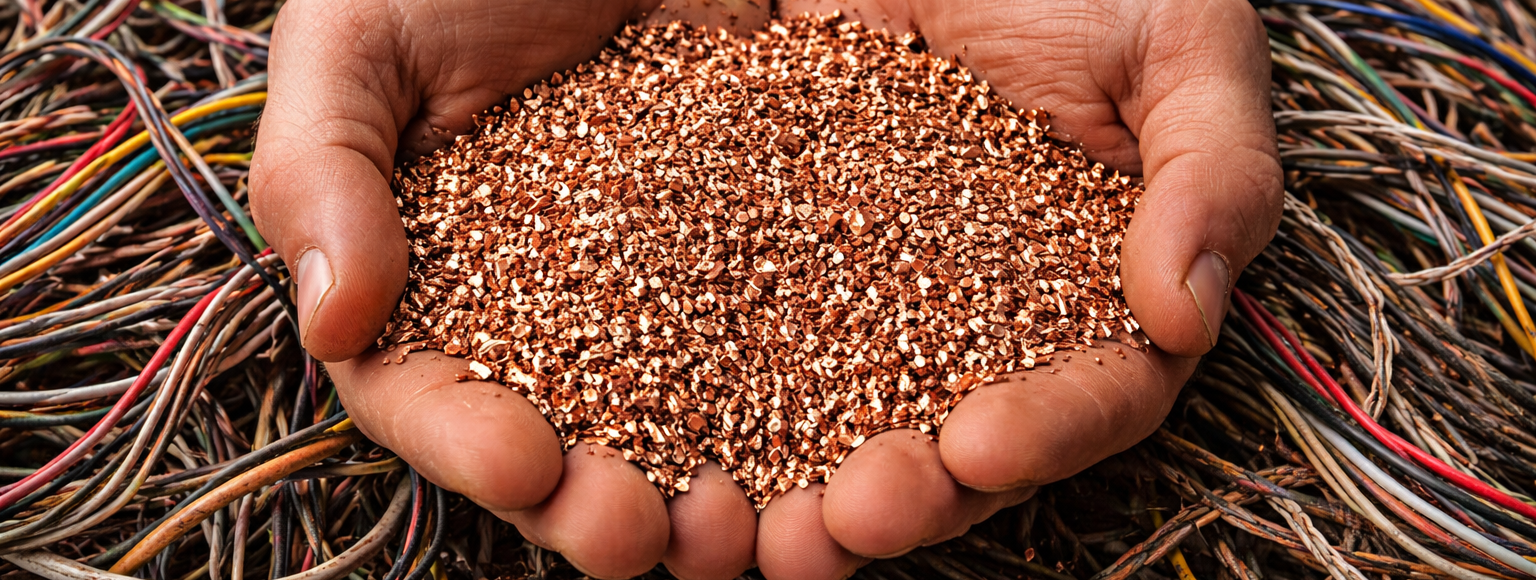
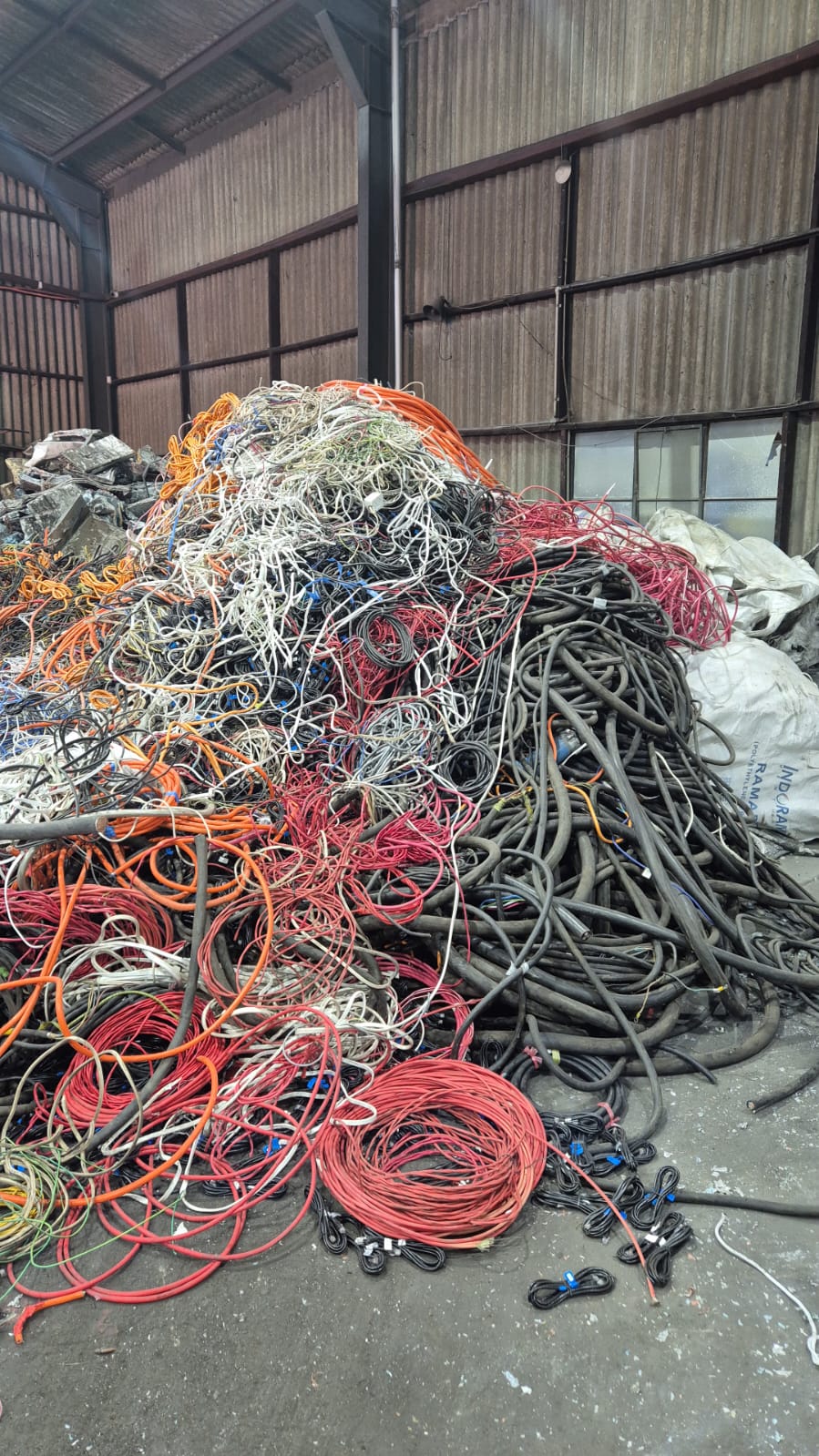
Copper is rarely “clean” at the point of collection. Most copper streams arrive mixed with plastics, connectors, tapes, resins, solder, or other metals. Without a controlled process, copper value is lost to contamination, fines, and inconsistent output.
Common challenges include:
- High material mix and contamination
- Inconsistent feed sizes that disrupt processing
- Copper trapped in plastic-rich fractions
- Value lost into dust and fine particles
- Safety and environmental risk if hazardous fractions are not controlled
Copper Processing Solution Setups are Volume Dependent
Low Volume Operations
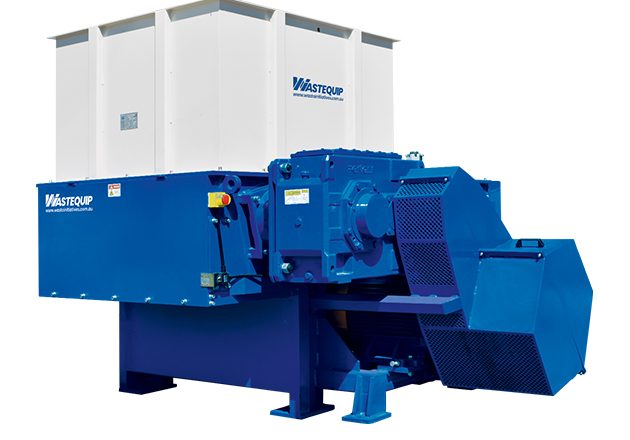
For low cable volumes, a compact standalone granulation unit can combine shredding, granulating and separation in a single machine. This is ideal for internal cable waste where a full plant installation is not required.
Mid to High Volume Operations
Once processing moves into the 200kg/hour range and above, a staged system becomes essential.
As throughput increases, additional preparation and refinement stages are required to maintain copper purity and recovery.
Copper Liberation Requires a Staged Process
Recovering copper efficiently and profitably comes down to one core principle: controlled liberation.
Copper is rarely received in a clean, ready-to-sell state. It is typically bound within insulation, plastics, tapes, resins, connectors or composite materials. To maximise recovery and purity, copper must be separated through a structured mechanical process rather than a single reduction step.
A properly configured copper recycling system follows key stages and the number of stages you require will depend on the volume and desired purity.
-
Pre-Shredding
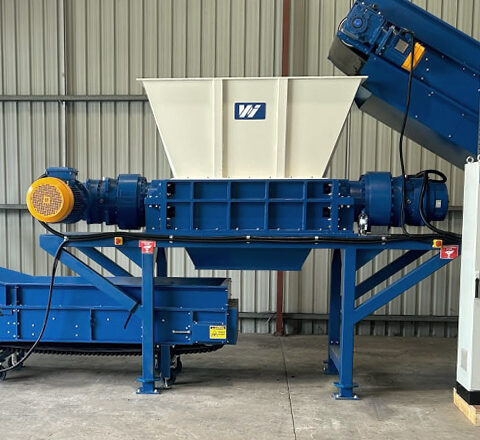
Pre-shredding prepares long cable lengths, bundles and car looms for controlled processing.
-
Granulation
Granulation reduces material further and begins the liberation of copper from insulation.
-
High-Speed Milling / Refining
For higher throughput systems, a high-speed grinder or refiner is introduced to achieve very accurate particle sizing.
-
Separation and Classification
Once liberated and sized correctly, copper is separated from plastic and other materials through classification systems.
-
Dust Extraction and Filtration
Copper processing generates fine insulation particles and metal dust. Without extraction, these fines can contaminate recovered copper, reduce separation efficiency, and create safety and housekeeping risks.
Purity, Recovery and Longevity
Copper processing performance comes down to three measurable outcomes:
Purity
High purity output achieves premium pricing. Clean, bright copper granulate commands stronger market value.
Recovery
Maximising recovery ensures copper is not lost into plastic fractions or fines.
Longevity
Heavy-duty systems reduce wear, maintain accuracy and protect throughput over time.
Lower-grade machines may produce inconsistent purity and experience accelerated wear, reducing both output value and long-term reliability.
Waste Initiatives focuses on supplying robust, heavy-duty copper processing systems designed for sustained performance.
Special Considerations: Car Looms
Car looms are one of the most challenging copper streams due to:
- Thin conductors
- Mixed insulation types
- Tapes and textiles
- Metal attachments
These systems often require:
- Magnetic separation after pre-shredding
- Additives to prevent clogging in certain applications
- Careful control of particle size
A staged system is essential for consistent recovery and quality output of materials.
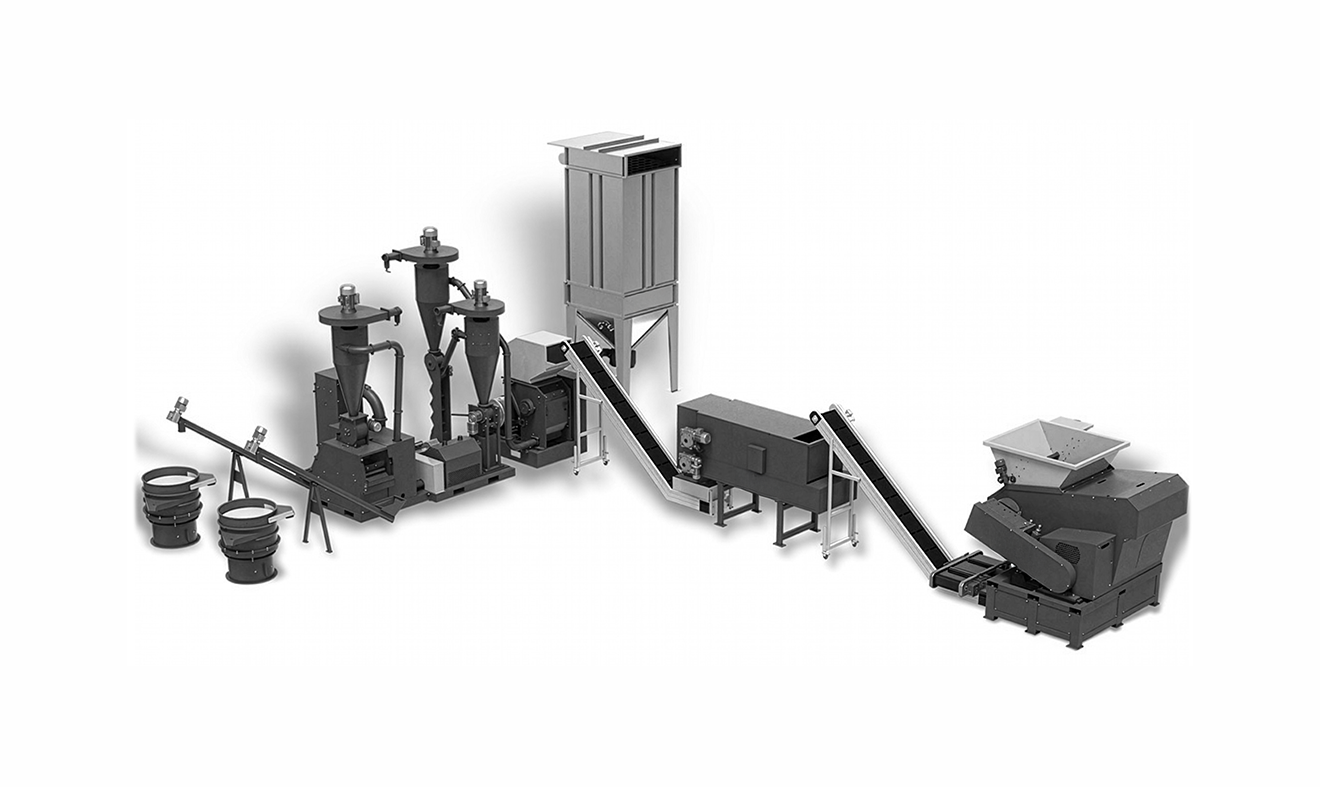
Example of a 600-800 kg/hour Copper Plant
Our standard complete plants range from 200kg/hour up to 3,000kg/hour plus. A typical high-capacity copper cable recycling system may include:
- Pre-shredding
- Magnetic separation after pre-shredding
- Granulation
- High-speed milling or refining
- Separation and classification
- Dust extraction and filtration
- Optional secondary separation
Each stage has a specific purpose: liberation, sizing accuracy, separation efficiency and product purity.
Standalone or Full Plant
From compact standalone cable granulators through to full multi-stage copper processing plants, Waste Initiatives can configure a system to suit your scale.
Talk to our team about the right architecture for your copper stream.
Equipment For Copper




Make An Enquiry
Thanks to over 40 years’ experience in design & supply of high quality waste management equipment, we can offer the latest waste technology available in the world today.
With hundreds of customers in all states & territories of Australia, you’re in good company. We’re worth a call.