
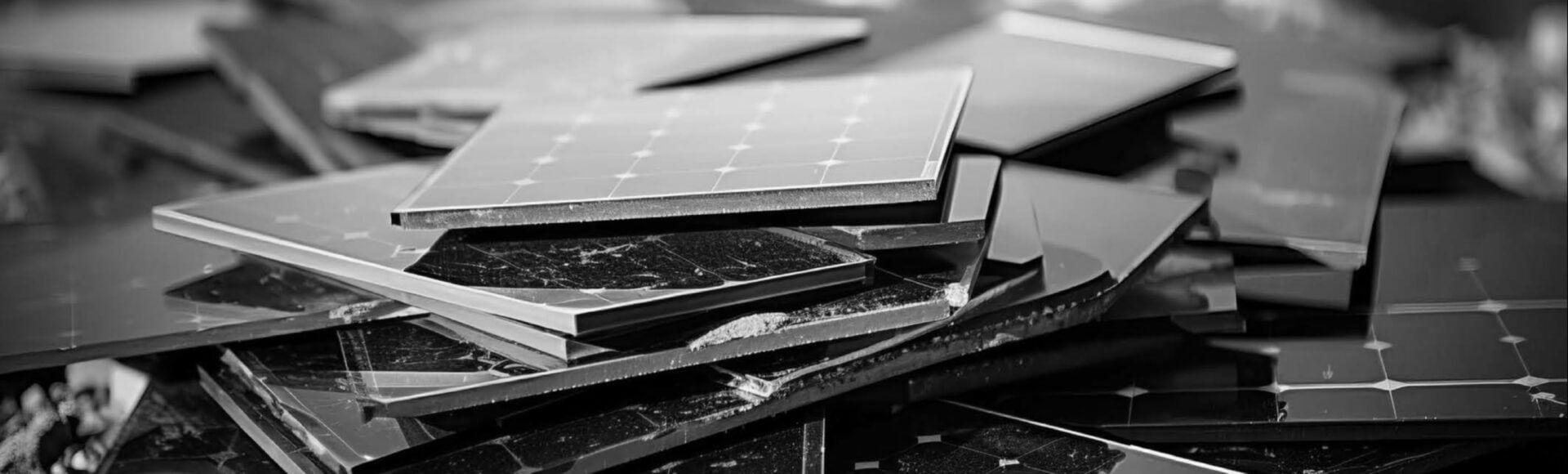
Recover More Than Just Glass
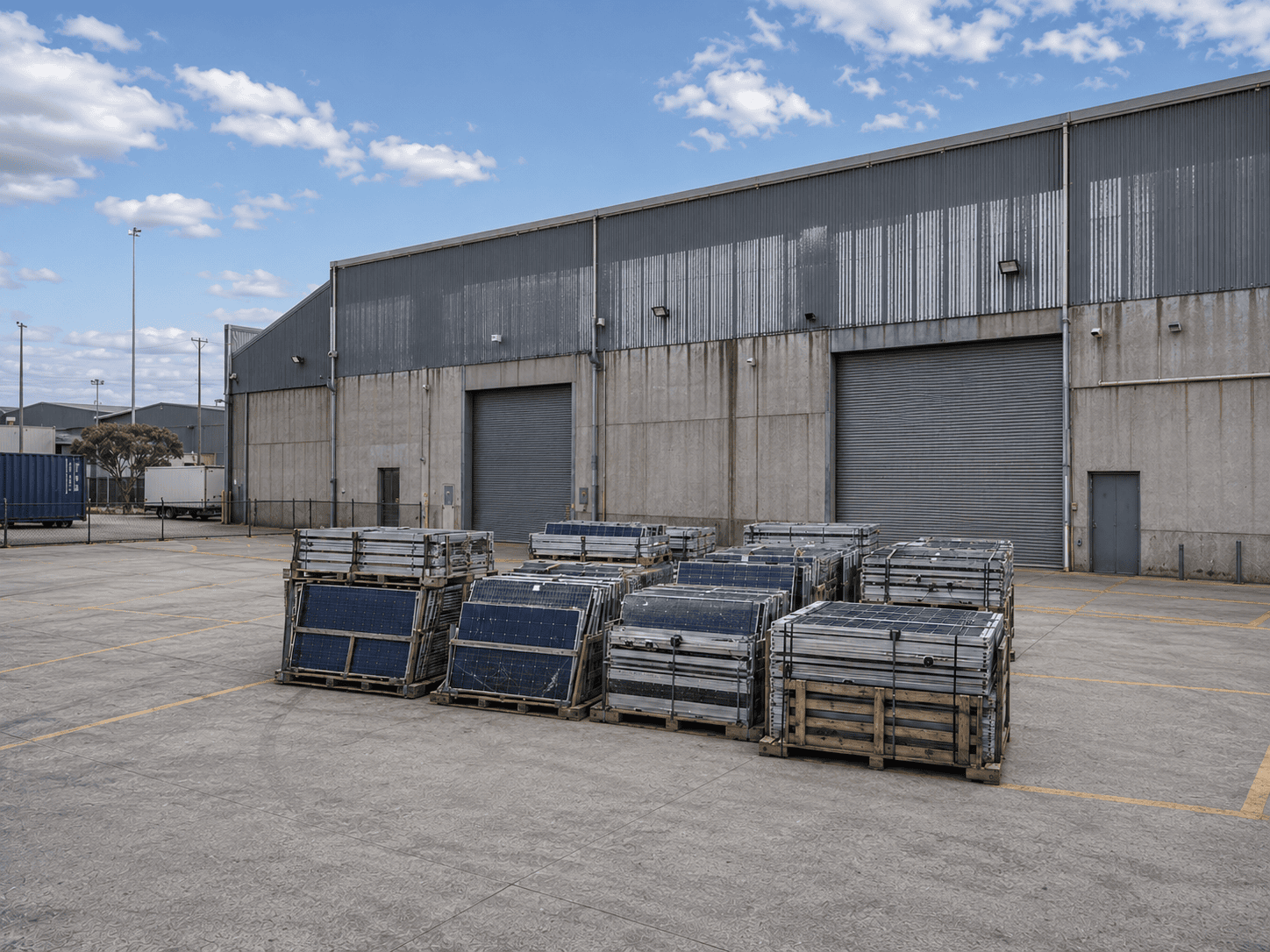
Australia is estimated to have more than 150 million solar panels installed across residential rooftops, commercial buildings and utility-scale solar farms. With millions of additional panels installed each year, the volume of photovoltaic modules reaching end of life will continue to increase over the coming decades.
As international e-waste regulations tighten and export pathways become more restricted, Australia is increasingly looking to develop local recycling infrastructure capable of recovering valuable resources from decommissioned solar panels.
Far from being waste, end-of-life solar panels contain recoverable materials including aluminium, copper, glass, silicon and polymer fractions. Recovering these materials efficiently not only supports the circular economy but also creates opportunities to return valuable resources back into Australian manufacturing and global supply chains.
Waste Initiatives, in partnership with Stokkermill, supplies advanced solar panel recycling systems designed to maximise material recovery, improve product purity and reduce manual handling across a range of processing capacities.
Why Solar Panel Recycling Is Different
Unlike many waste streams, photovoltaic panels are manufactured as layered composite products.
Glass, EVA encapsulant, silicon cells, copper conductors and aluminium frames are bonded together to provide decades of outdoor performance. Recovering these materials efficiently requires far more than simple shredding.
Purpose-designed processing systems mechanically separate each layer while preserving the value of the recovered materials.
One of the biggest advantages of solar panel recycling is that multiple valuable material streams can be recovered from a single panel.
Recovered materials include:
- Aluminium
- Copper
- Glass
- Silicon concentrate
- EVA and polymer fractions
Rather than producing mixed waste, modern recycling systems separate these materials into individual fractions suitable for reuse or further processing.
Solar Panel Recycling Requires a Staged Process
Successful solar panel recycling relies on progressively liberating each material layer while maintaining the purity of every recovered fraction.
Depending on processing capacity, systems can range from modular entry-level installations through to fully automated recycling plants.
-
Loading & Feed Preparation
Solar panels are loaded into the system, ideally with their aluminium frames as this eliminated manual processing.
-
Primary Delamination
Rather than simply crushing complete panels, the first stage removes the aluminium frame and external components while separating the laminated structure. This improves downstream recovery while producing clean aluminium suitable for recycling.
-
Magnetic Separation
Where required, magnetic separation removes residual ferrous materials before further processing. Removing steel contamination improves the quality of recovered glass, silicon, aluminium and copper fractions.
-
Delamination & Refining
The remaining laminated material is mechanically processed to separate glass, silicon, copper & EVA. This controlled delamination process is one of the key differences between dedicated solar recycling systems and conventional shredding equipment.
-
Screening & Classification
Recovered material passes through screening and classification equipment to create consistent particle sizes and maximise recovery efficiency. Accurate classification improves product quality while preparing individual fractions for reuse or resale.
-
Secondary Delamination
Higher-capacity systems include additional refining stages to further separate EVA, silicon concentrate and remaining glass particles. This significantly improves recovery rates and output quality.

Flexible Plant Configurations
Whether you’re processing damaged solar panels, warranty returns or end-of-life photovoltaic modules, systems can be configured to suit your throughput and recovery objectives.
Available as:
- Entry-level systems
- Modular expansion systems
- Complete automated recycling plants
- Individual process machines
This allows businesses to expand processing capacity as demand grows.
Three System Options
Every recycler has different throughput requirements.
Waste Initiatives offers scalable Stokkermill systems ranging from compact entry-level installations through to fully automated processing plants.
Entry-Level Line
Ideal for companies entering solar panel recycling.
Processes approximately 800–1,000 kg/hour with a modular design that can later be expanded into a larger automated system.
Delamination Line
Designed for operators focused on producing high-purity recovered materials through advanced mechanical separation and refining.
Fully Automatic Line
Continuous automated processing with reduced manual handling and optimised recovery of:
- Glass
- Silicon
- Aluminium
- Copper
- EVA
Suitable for large-scale photovoltaic recycling operations.
A staged system is essential for consistent recovery and quality output of materials.
Why Waste Initiatives
Through our partnership with Stokkermill, Waste Initiatives provides complete solar panel recycling solutions backed by Australian engineering, project management, commissioning, spare parts and nationwide after-sales support.
From individual processing equipment through to complete turnkey recycling plants, we help customers maximise material recovery while building a more sustainable circular economy.
Make An Enquiry
Thanks to over 40 years’ experience in design & supply of high quality waste management equipment, we can offer the latest waste technology available in the world today.
With hundreds of customers in all states & territories of Australia, you’re in good company. We’re worth a call.