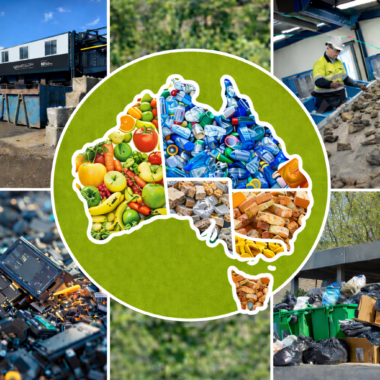
In Australia, Food Organics and Garden Organics (FOGO) recycling systems are gaining traction as a central solution for diverting organics from landfill and converting waste into valuable resources such as compost, mulch, biogas, and biochar.
These systems are not just a local innovation, they’re critical to meeting national waste targets. According to the National Waste and Resource Recovery Report 2024, organics make up over 30% of the waste stream, yet only 49% of organic waste is currently recovered. With the Australian Government aiming to divert 80% of organic waste by 2030, FOGO services will play a vital role in closing the gap.
The Scale of FOGO Waste in Australia
According to the National Waste & Resource Recovery Report 2024, Australians generated about 14.6 million tonnes of organic waste in 2022–23, equating to 556 kg per person. This included 28% food organics and 31% garden vegetation, with the remainder made up of timber, biosolids, and other mixed organics. Roughly 62% of this was recovered, primarily through composting, mulching, and biosolids application, but nearly 40% still went to landfill. Importantly, access to kerbside FOGO collection is expanding, by 2022–23, 53% of Australians had an organics bin and 28% had FOGO services, with South Australia leading at 77% uptake.
What is a FOGO Recycling System?
FOGO systems are designed to collect, decontaminate, and process food and garden waste:
- Food organics: scraps, leftovers, coffee grounds, spoiled food.
- Garden organics: clippings, branches, leaves, shrubs, trimmings.
By separating organics at the source, households, businesses, councils, FOGO systems reduce contamination and maximise resource recovery.
Why FOGO Matters in Australia
- $20 billion: Annual cost of food waste to the Australian economy,
- 5.3 million tonnes: Food intended for human consumption wasted each year,
- 7.6 million tonnes CO₂-e: Greenhouse emissions projected from decomposing food waste,
- National Target: Halve food waste by 2030 under the National Food Waste Strategy.
Beyond environmental gains, FOGO recovery strengthens local economies by producing saleable outputs and creating jobs in recycling industries.
FOGO Recycling in Australian Context
FOGO systems are critical for achieving Australia’s National Waste Policy target of diverting 80% of organic waste from landfills by 2030. With only 49% of organic waste currently recycled, the potential for improvement is significant.
- Lower landfill waste and emissions.
- Support nutrient recycling for agriculture.
- Create renewable energy through biogas production.
- Strengthen local economies by generating marketable outputs.
Challenges: Contamination, infrastructure limitations, and lack of public awareness about proper waste segregation need to be addressed to maximise FOGO’s impact.
How Does a FOGO Recycling System Work?
 Source Separation
Designated FOGO bins (kerbside, council drop off and skip bin collection) collect food and garden waste, usually avoiding contaminants like plastics.
Collection
Bins are transported to councils or recycling facilities.
Pre-Processing
Waste is screened for contaminants such as plastic, glass, or metals.
Processing
- Shredding: Resizing larger materials into smaller pieces to facilitate quicker decomposition and improve the efficiency of subsequent processing methods, or to mulch.
- Composting: Microorganisms break down material into nutrient-rich compost. Garden waste often requires shredding or mulching.
- Anaerobic Digestion: Food scraps and fine green waste produce biogas and digestate without oxygen.
Refinement
Outputs are tested for quality and prepared for distribution.
Outputs of FOGO Recycling
- Compost: Enriches soil for agriculture, parks, and landscaping.
- Biogas: Generates renewable energy, reducing fossil fuel reliance.
- Biochar: Biochar is a carbon-rich material used to enhance soil and store carbon.
- Digestate: Acts as a natural fertiliser or soil conditioner.
- Mulch: Retains moisture, suppresses weeds, and aids in erosion control.
The Future of FOGO Recycling
- Smart composting bins: IoT-enabled bins provide data to optimise composting conditions.
- Advanced sorting technology: AI-powered systems enhance waste segregation, improving output quality.
- Local anaerobic digesters: Community-based systems process waste on-site, producing energy and compost locally.
- Thermal composting techniques: Speeds up the composting process while reducing odours and pathogens.
These innovations will make FOGO systems more accessible and effective, accelerating Australia’s progress toward waste reduction goals.
Tailored FOGO Solutions for Australian Facilities
From shredders to advanced recycling systems, our equipment supports efficient FOGO decontamination and processing, ensuring your facility produces high-quality compost, biogas, and other valuable outputs. With scalable and flexible options, we help facilities meet Australian waste reduction goals while maximising operational efficiency.
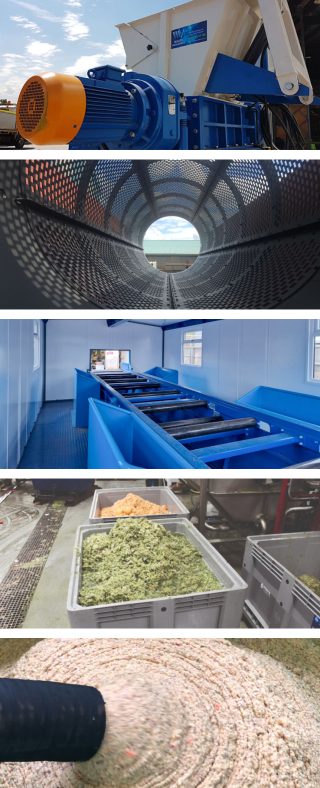
Shredders
Pre-process bulky garden organics into smaller pieces for composting or digestion.
Trommel Screens
Separate materials by size to remove contaminants and process organic waste into revenue streams.
Sorting Equipment
Automate the removal of non-organics from FOGO waste streams.
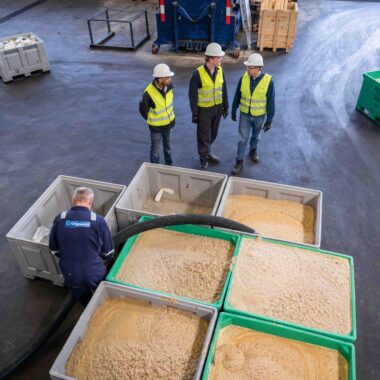
Mavitec Depackaging Systems
Process a wide range of organic waste, converting it into 99.7% clean organic material suitable for animal and biogas feedstock.
Food Waste Digesters
Convert food waste into biogas and nutrient-rich digestate.
Case Study – Wangaratta
The City of Wangaratta in Victoria required an upgraded solution to manage 15,000 tonnes of contaminated Food Organics and Garden Organics (FOGO) waste annually, exceeding its outdated infrastructure’s capacity.
Waste Initiatives addressed this challenge by designing and commissioning a robust Organics Decontamination Plant featuring a 2-bay picking station. The system includes a reinforced feed hopper, material regulation device, conveyors for efficient transport and sorting, and a shredder for excess material.
Operator safety and efficiency were enhanced with an air-conditioned cabin, maintenance-friendly access facilities, and a centralised control system. This setup ensures compliance with EPA regulations and supports cost-effective peak and off-peak operations. Read More…
Why Choose Waste Initiatives for your Fogo Recycling System?
At Waste Initiatives, we are dedicated to providing our clients in Australia and New Zealand with the best waste management solutions available. As a trusted distributor of complete recycling systems, we bring you the expertise and support needed to integrate our equipment into your operations seamlessly.
Comprehensive Support and Service: From initial consultation and system installation to ongoing maintenance and support, Waste Initiatives offers end-to-end service. Our team of experts is here to ensure that you get the most out of your investment.
Engineered Solutions: We understand that every business has unique needs. Our team works closely with you to customise your recycling system to fit your specific requirements, ensuring optimal performance and efficiency.
Commitment to Innovation: As leaders in waste management solutions, we are committed to staying at the forefront of industry innovation. We continuously seek out and provide the latest technologies and systems to help our clients manage their waste more effectively and sustainably.
Conclusion
FOGO recycling is central to Australia’s waste transformation. By diverting food and garden organics, councils and businesses can cut emissions, meet national targets, and support a circular economy. With over 14.6 million tonnes of organics and 7.6 million tonnes of food waste generated each year, there is enormous potential for improvement.
Waste Initiatives is your trusted partner, delivering engineered FOGO solutions that directly address this gap. From shredders and depackaging systems to digesters and advanced sorting technologies, we help facilities transform organic waste into high-value outputs, backed by local project management, nationwide service, and compliance expertise.
Contact us today to see how your facility can lead the way in organics recovery.
Latest news
Biogas in Australia: Why Clean Feedstock Is the Key to Unlocking Its Full Potential
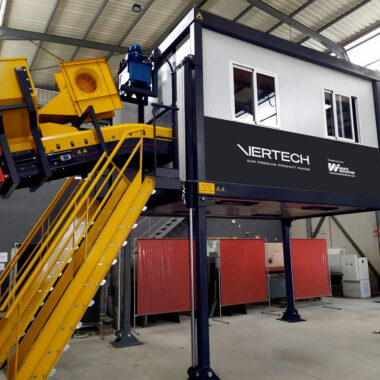
Manual Sorting, Maximum Recovery: The Role of Mobile Picking Stations