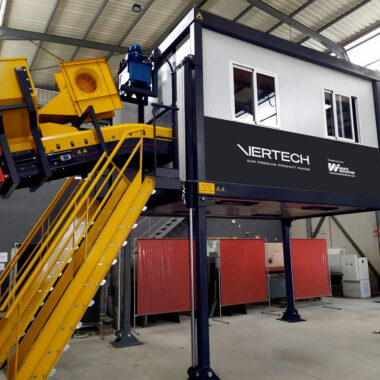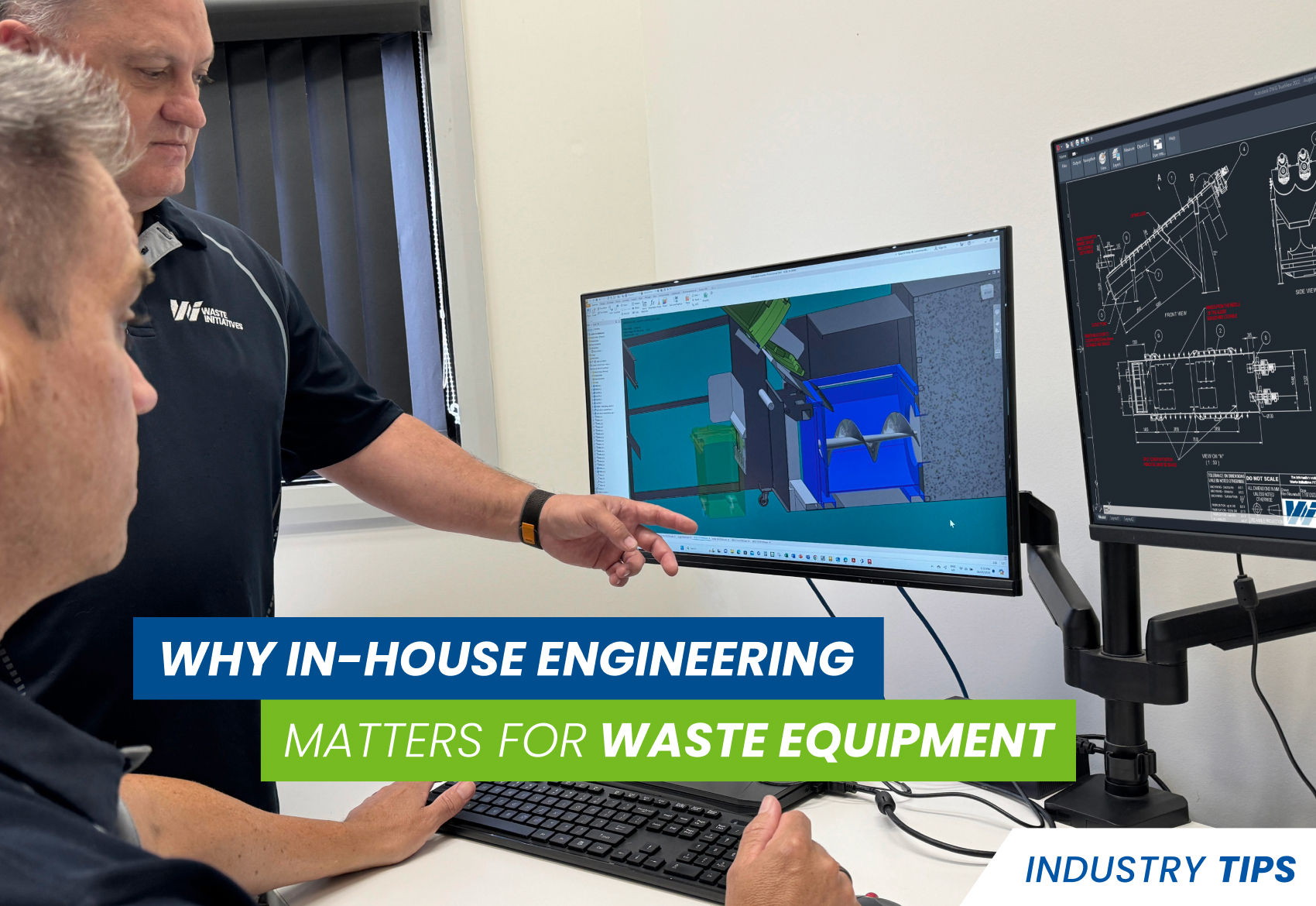
In the waste and recycling industry, every project—whether small-scale or large—requires careful planning and expert engineering to ensure efficiency, compliance, and long-term success. From designing a simple conveyor feeding system to integrating a large-scale tyre recycling plant, the expertise of an in-house engineering team is invaluable. By working with a waste equipment supplier that has its own engineering department, businesses benefit from customisation, risk mitigation, and streamlined project execution.
Tailored Engineering for Every Project
Small-Scale Waste Solutions Require Precision
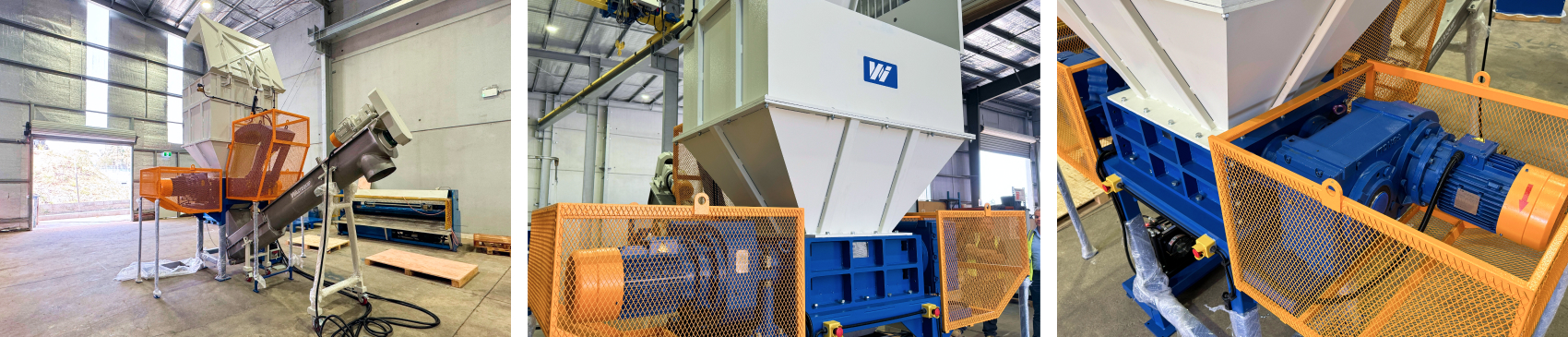
While smaller projects may seem straightforward, they often demand intricate design considerations to ensure optimal performance. For example, a simple conveyor system feeding a shredder must be engineered with the right hopper size and angle to ensure efficient material flow. The infeed conveyor’s speed needs to be carefully calibrated, while the outfeed conveyor must be designed with the correct discharge height and speed to match downstream processing requirements.
Additionally, different waste streams require tailored solutions based on their material composition, rigidity, and size variability. A well-designed system minimises bottlenecks, improves throughput, and prevents costly operational inefficiencies. An in-house engineering team provides this level of detailed planning, ensuring even the smallest projects operate smoothly and effectively.
Engineering Complexity in Large-Scale Recycling Plants
For larger projects, such as full-scale tyre recycling plants or integrated waste processing facilities, engineering expertise becomes even more critical. These projects often involve complex production lines with multiple interdependent components, including shredders, granulators, separators, and conveyors. Collaborating with overseas equipment manufacturers is sometimes necessary to ensure seamless integration, but having an in-house engineering team ensures that everything is designed to meet local compliance and operational needs.
A prime example is tyre recycling, where some clients only require pre-shredding solutions while others scale up to produce rubber crumb or even fine powder. The ability to design a modular and scalable system allows for future expansion without requiring a complete overhaul of existing equipment.
Enhancing Recycling Efficiency with Integrated Engineering
Customised Solutions for Diverse Waste Streams
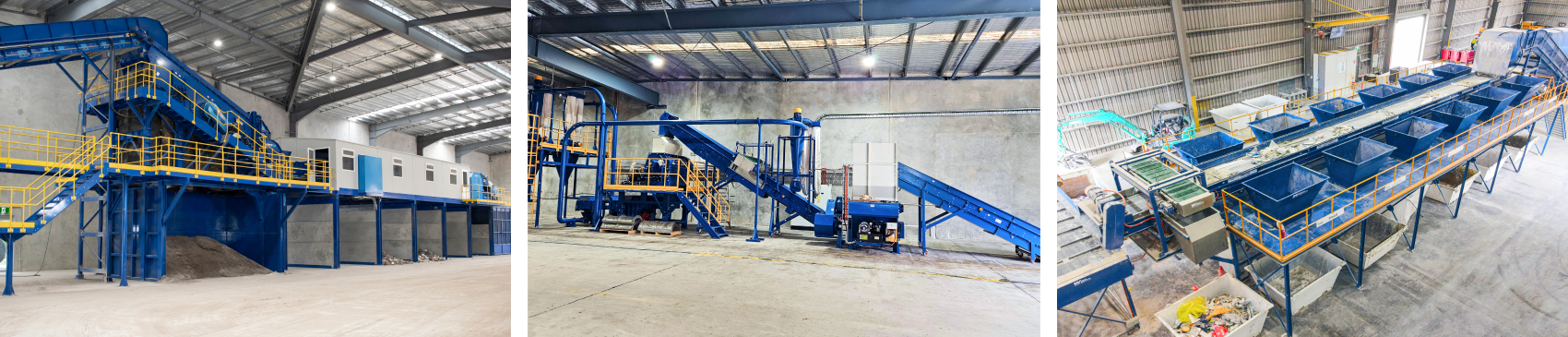
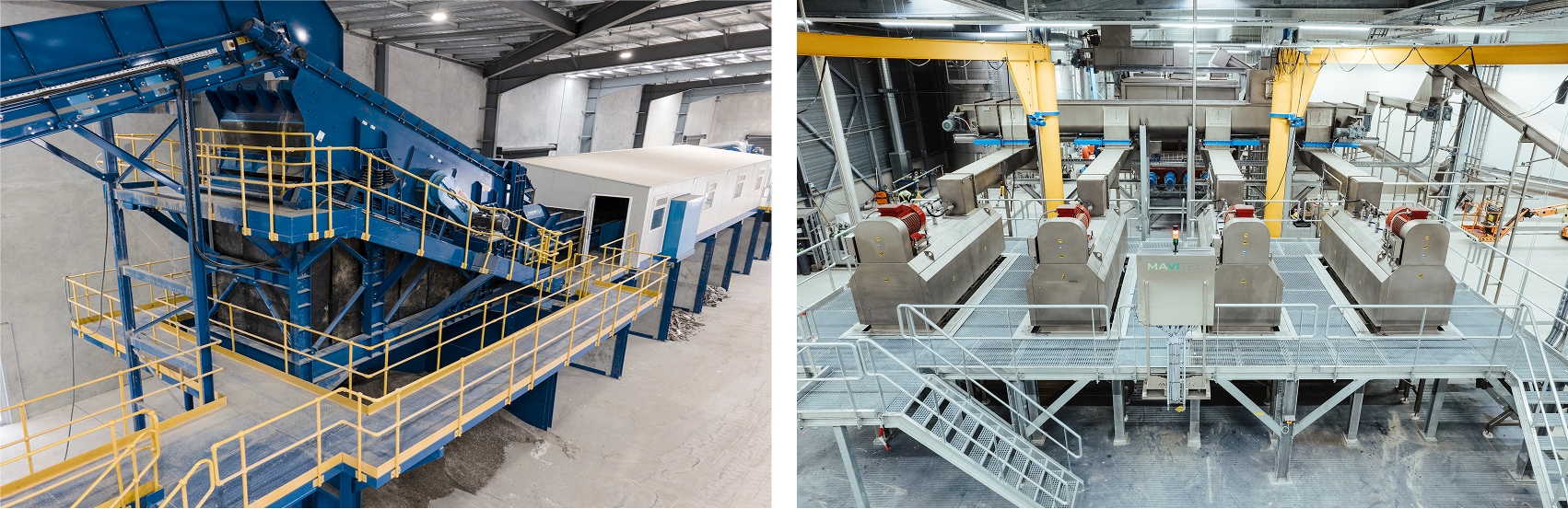
Industries dealing with Construction & Demolition (C&D) waste, Commercial & Industrial (C&I) waste, and other recycling sectors face challenges due to the varied nature of materials. The right equipment must be engineered to handle materials such as metals, timber, glass, plastics, and concrete, each with unique processing requirements.
By using advanced 3D CAD software, in-house engineers can assess waste composition, optimise factory layouts, and design systems that integrate the right technologies—whether that includes sorting mechanisms, screw auger conveyors, depackaging systems, or drainage solutions. This level of precision helps improve material recovery rates, reduce waste contamination, and enhance overall facility efficiency.
Integration of Shredders and Granulators
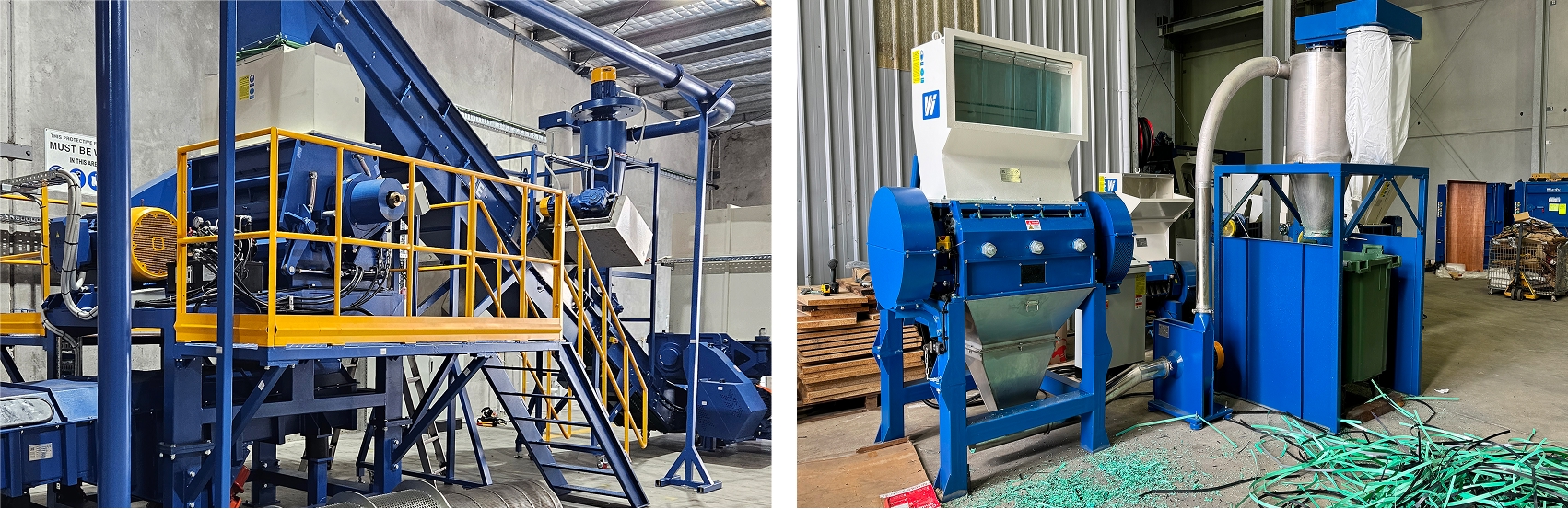
Many waste processing facilities rely on size reduction equipment to facilitate material handling and recycling. Two key pieces of equipment in this process are:
- Shredders: Used to break down bulky materials such as wood, metal, and plastic into manageable pieces, improving downstream processing.
- Granulators: Further refine shredded materials into uniform granules, which are easier to recycle or repurpose.
Proper integration of these machines ensures seamless processing, reduced wear and tear, and improved output quality. An in-house engineering team helps businesses select, configure, and integrate these systems for maximum efficiency.
Specialised Hopper and Conveyor Designs
Hoppers play a crucial role in feeding materials into compactors, balers, and shredders. Poorly designed hoppers can lead to blockages, uneven material distribution, and inefficient operation. By designing hoppers that align with the specific characteristics of the waste material—such as bulk density, moisture content, and particle size—engineers ensure that the entire system operates smoothly.
Similarly, conveyors must be designed with proper incline angles, load capacities, and discharge points to optimise workflow. From outfeed drainage systems to multi-stage sorting conveyors, every detail needs to be engineered for the best possible performance.
Avoiding Costly Mistakes Through Expert Engineering
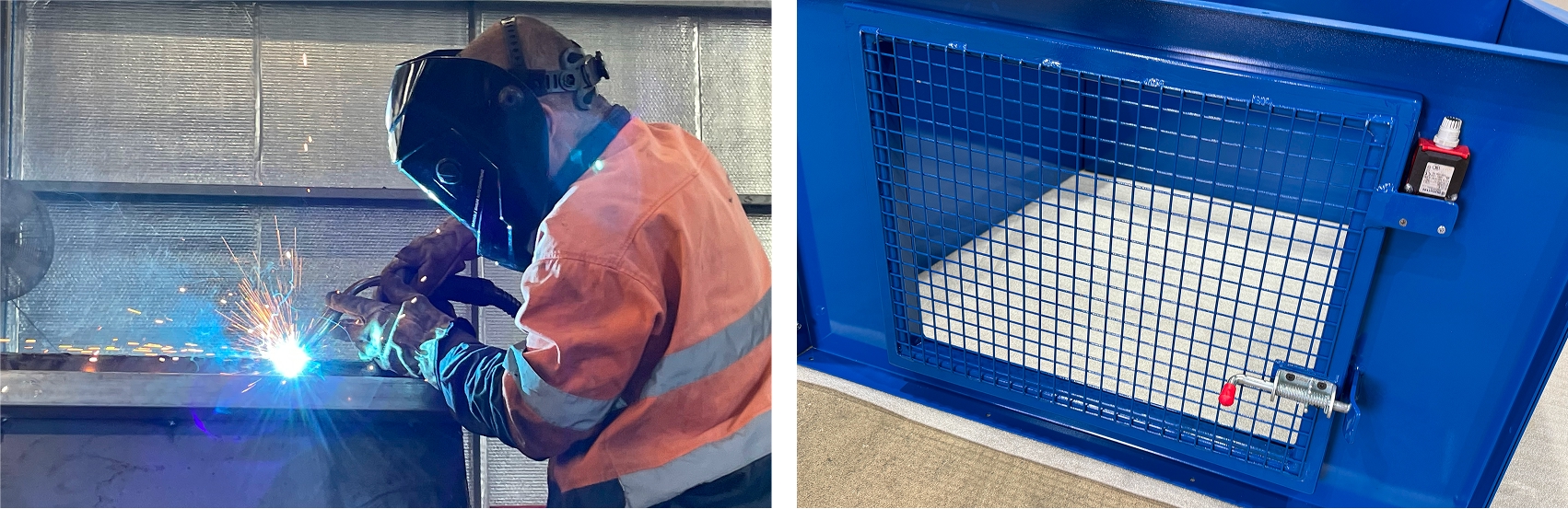
Poorly designed waste processing systems can lead to excessive downtime, higher maintenance costs, and even non-compliance with work health and safety regulations. In Australia, strict safety standards often require additional guarding and operational safeguards, which must be factored into the equipment design from the outset.
An in-house engineering team ensures that all components work together seamlessly, reducing the risk of costly retrofits or redesigns. Through meticulous planning, 3D simulations, and early clash detection, engineers help businesses avoid expensive errors and maintain high levels of operational efficiency.
Conclusion: The Value of an In-House Engineering Team
From small conveyor systems to complex, multi-stage recycling plants, every waste processing project benefits from expert engineering. By working with a waste equipment supplier that has an in-house engineering team, businesses gain access to tailored solutions, enhanced efficiency, and lower long-term operational costs.
At Waste Initiatives, our engineering team has over 50 years of combined experience in waste equipment design and manufacturing. We leverage advanced 3D CAD software to develop customised solutions that meet the unique needs of our clients. Whether you require a simple system modification or a fully integrated recycling plant, our team is here to help.
To learn more about our engineered waste solutions, visit our engineering page: Waste Initiatives Engineering Solutions
Latest news
Rental and Finance: Alternative Paths to Ownership
Biogas in Australia: Why Clean Feedstock Is the Key to Unlocking Its Full Potential