

Project Overview
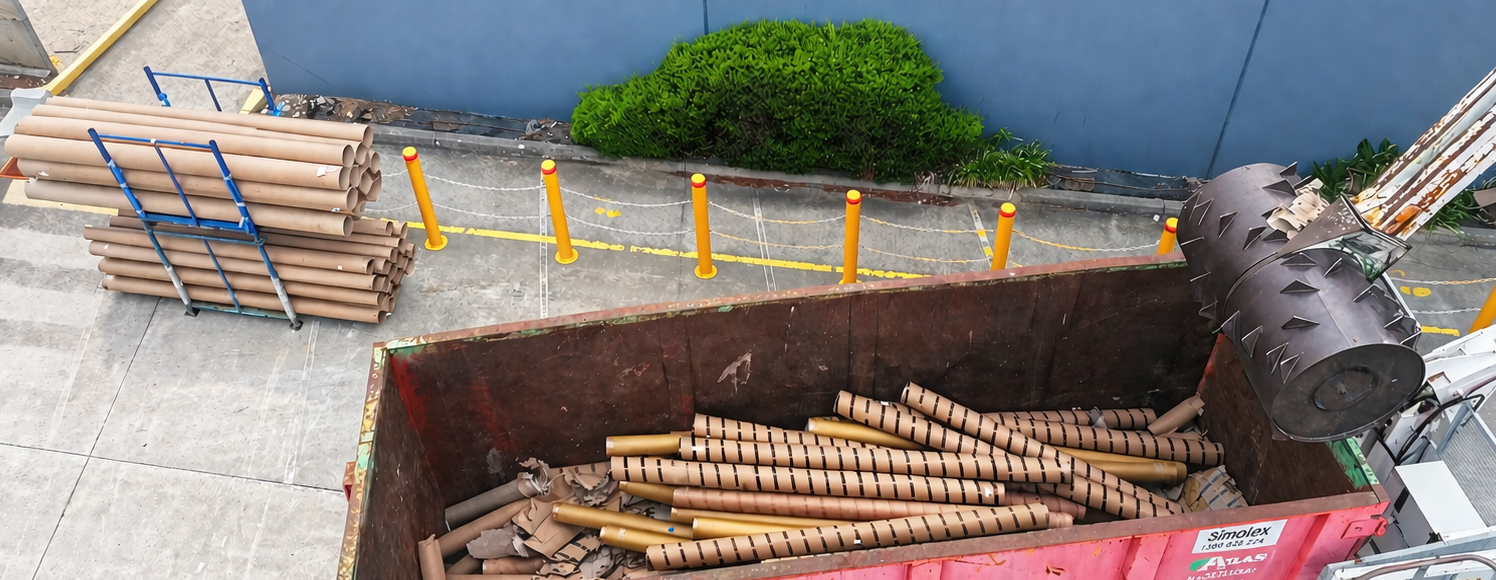
Bulky cardboard cores were being sent to landfill after failing recycling and shredding processes. A Roll Packer enabled on-site compaction, turning the material into a recyclable stream while reducing transport costs.
Project Overview
A blinds manufacturing site in Victoria was generating high volumes of cardboard cores that could not be processed through conventional shredding equipment.
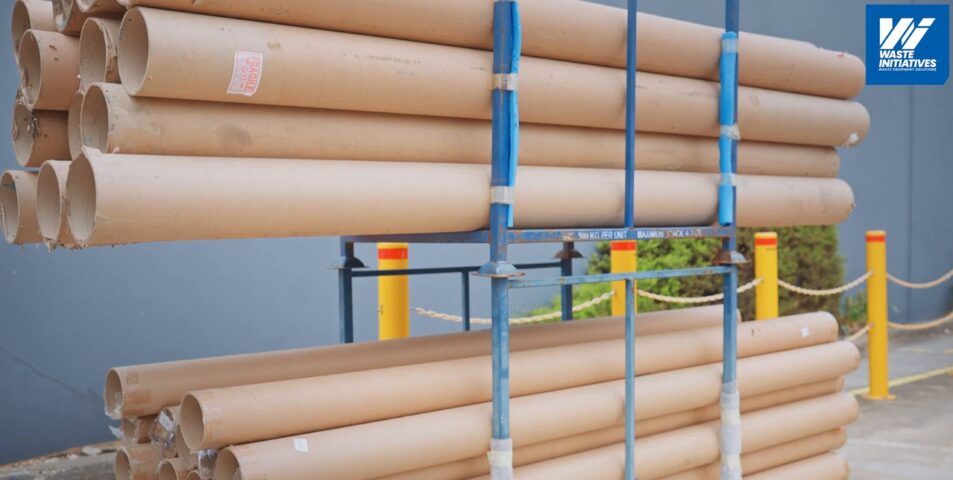
Due to their length, density, and construction, the material was being rejected by recyclers and ultimately sent to landfill, creating ongoing disposal costs and inefficiencies across the site.
Working alongside Atlast Waste Network and Simplex Waste Solutions, Waste Initiatives delivered a practical, on-site solution using a refurbished Roll Packer to transform this difficult waste stream into a recyclable material.
The Challenge
Cardboard cores are a common by-product across many manufacturing environments, but they present a unique processing challenge:
- Too long and dense for conventional shredding
- Difficult to handle and transport efficiently
- Rejected by recyclers in their original form
- Taking up excessive bin space
- Defaulting to landfill, increasing disposal costs
Without intervention, the site faced ongoing landfill costs and inefficient waste handling processes.
The Solution
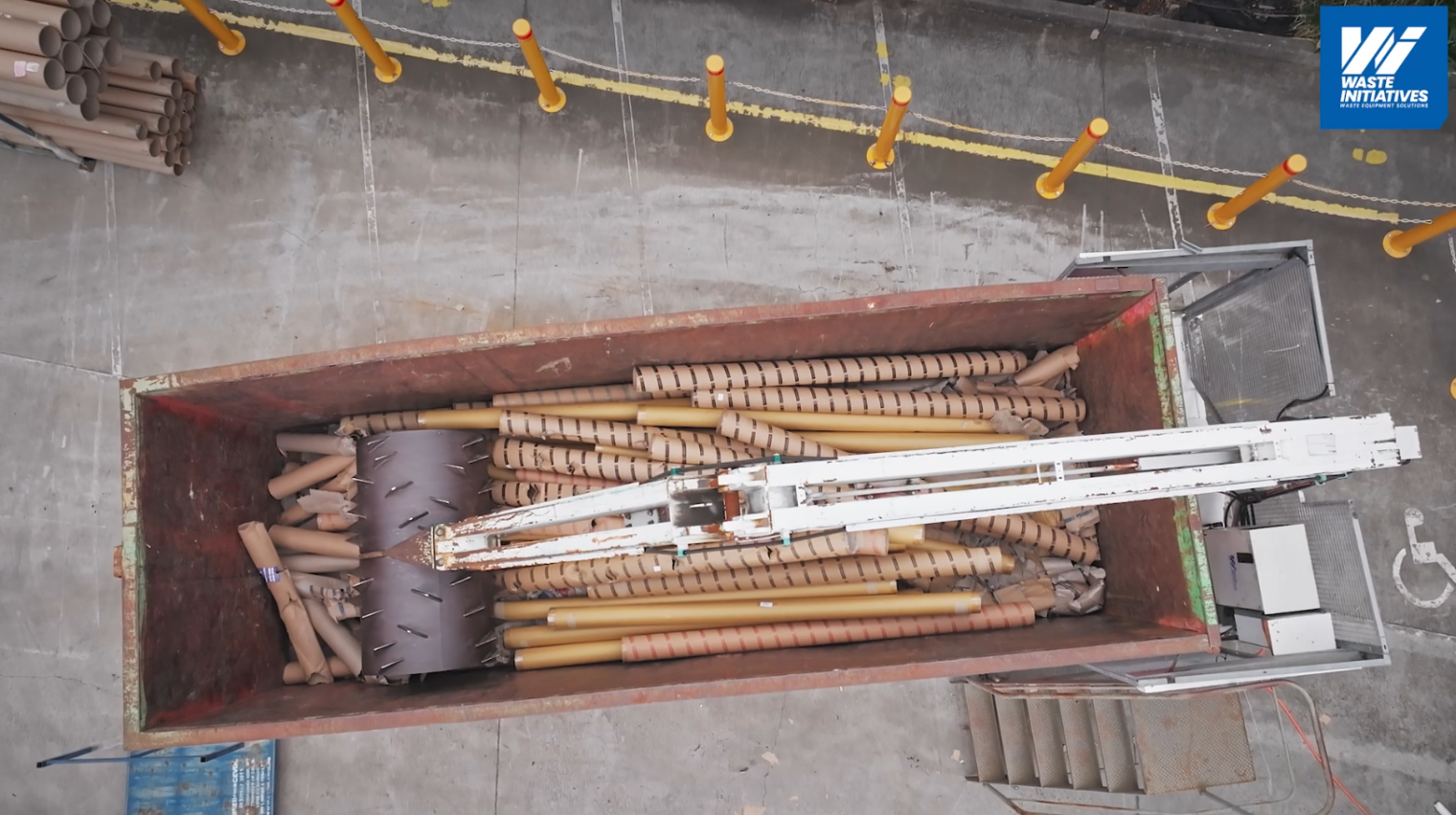
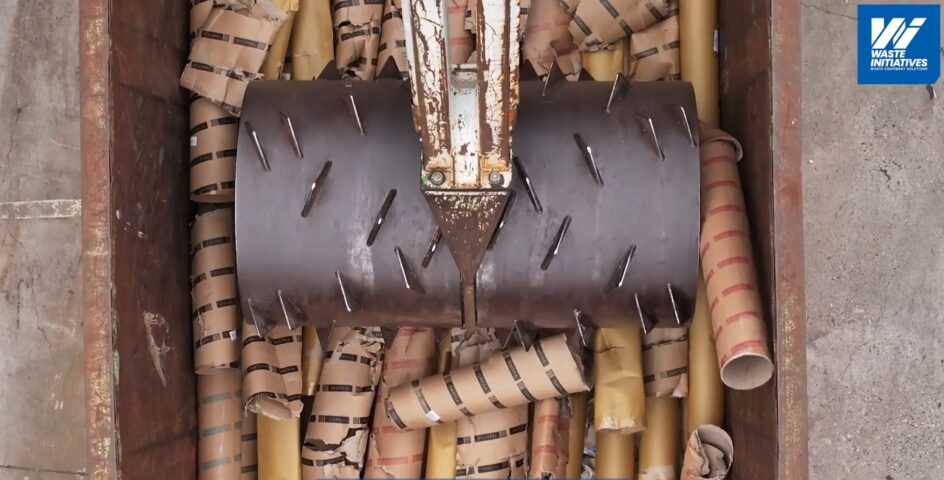
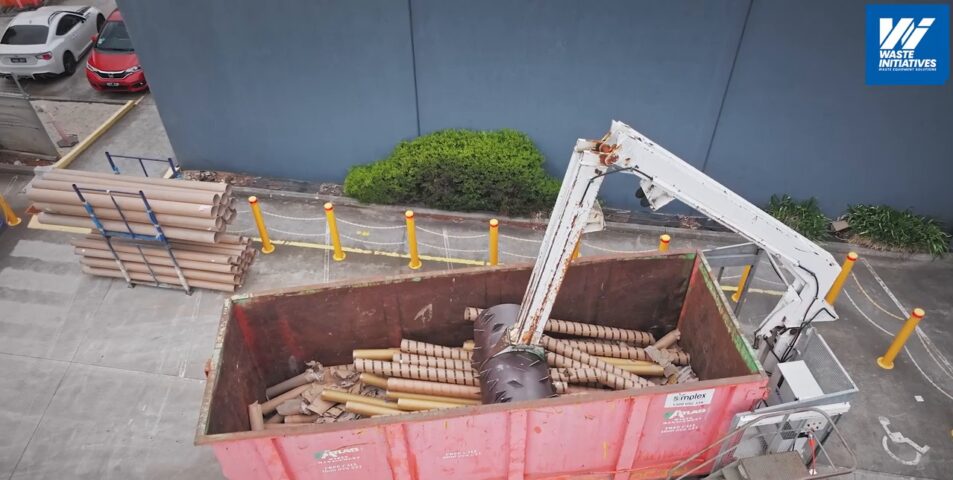
To address the issue, a Roll Packer was deployed on-site to process the material directly within the bin.
Rather than attempting to shred or externally process the cores, the Roll Packer applies consistent compaction force to:
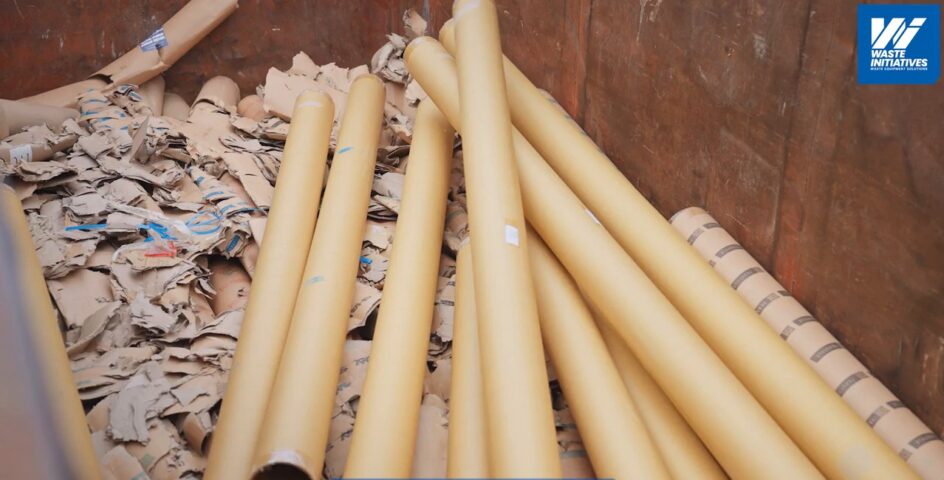
- Break down the structure of the cores
- Reduce overall material volume
- Transform the material into a form suitable for recycling
This approach enabled the site to process the material at the source, eliminating the need for secondary handling or off-site pre-processing.
The Results
The impact of the solution was immediate and measurable:
- Significant increase in bin capacity through compaction
- Reduced collection frequency, lowering transport costs
- Improved handling efficiency across the site
- Material converted into a recyclable form
- Complete diversion from landfill
By increasing the density of material within each bin, the site was able to reduce transport movements while improving overall waste management efficiency.
A Second Life for Proven Equipment
A key part of this project was the deployment of a refurbished Roll Packer.
Waste Initiatives was able to source a used unit from the field and reintroduce it into operation. Due to the quality of the original German engineering, the machine required only minimal maintenance before being put back into service.
- Over 20 years old
- Limited refurbishment required
- Rapid turnaround to site
- Fully operational in a demanding environment
This not only reduced lead times compared to new equipment, but also demonstrated the long-term durability and value of well-built machinery.
Why It Worked
This project highlights a practical approach to solving difficult waste challenges:
- Match the machine to the material
- Process waste at the source where possible
- Focus on outcomes, not just equipment
- Leverage proven machinery to deliver faster results
In this case, the Roll Packer provided a simple, effective alternative to traditional shredding, unlocking a pathway to recycling that was previously not achievable.
Sustainability outcomes are not only driven by how waste is processed, but also by how equipment is sourced and utilised.
By extending the life of industrial equipment and applying it to the right application, Waste Initiatives helps customers:
- Reduce landfill reliance
- Lower operational costs
- Improve recovery outcomes
- Implement solutions faster
If you are dealing with bulky or difficult-to-process waste streams, there may be a more efficient solution available.
Talk to our team about matching the right equipment to your material.
Related Projects
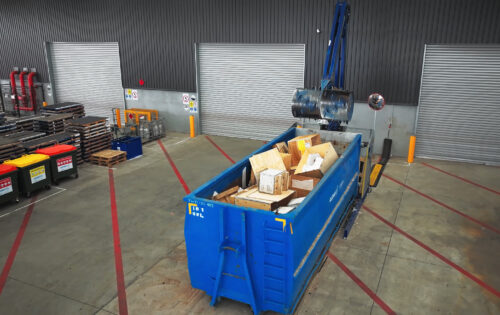
Cleanaway Reduces Waste Collections by 63%
Location: Melbourne, VIC

Suntory Oceania
Location: Sydney, NSW
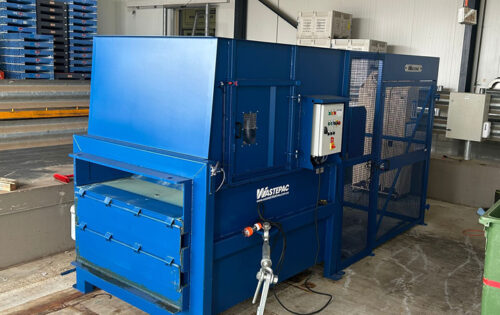
Space Saving Static Compactor
Location: Cobblebank, Victoria
Related Equipment

Bergmann RP7700 Roll Packer
The Bergmann RP7700 Roll Packer is a stationary roll packer for compacting bulky waste in open bins. Efficient, reliable, and also available in a low-energy electric model.
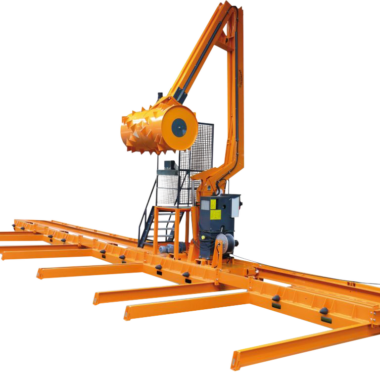
Bergmann RPV7700 Roll Packer (Multi Bay)
Multi-bin roll packer system with rail-mounted compaction. Ideal for large sites managing cardboard, pallets, or up to 10 open-top bins.