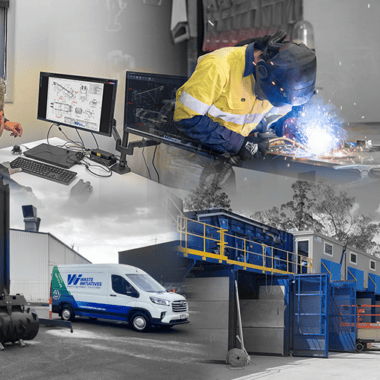
When it comes to managing waste efficiently, choosing the right compactor bin can be a game-changer for your operations. Whether you’re running a busy warehouse, a retail chain, or a manufacturing facility, investing in the right industrial compactor bin or commercial waste compactor can drastically improve your waste handling process, reduce your environmental footprint, and save your business significant money.
In this guide, we’ll walk you through everything you need to know, from types of waste compaction equipment to sizing considerations, industry-specific recommendations, and tips on how to choose the best solution for your needs.
Why Your Business Needs a Compactor Bin
Without a proper waste management strategy, businesses often face overflowing bins, excessive collection fees, and unnecessary operational headaches. A compactor bin helps address these issues by:
- Reducing waste volume by compressing materials.
- Cutting transport costs by minimising the number of collections required.
- Improving site safety and cleanliness.
- Meeting sustainability goals through more efficient waste handling.
For businesses generating large amounts of waste, a commercial waste compactor is not just a convenience, it’s an investment that pays for itself in operational savings.
Understanding the Types of Compactor Bins
Choosing the right bin starts with understanding the main types of waste compaction equipment available.
Static Compactor Bin
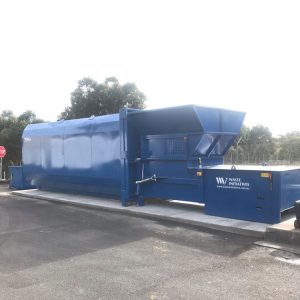
A static compactor bin is ideal for sites generating high volumes of dry waste like cardboard, plastics, and paper. The compactor unit remains fixed on-site while detachable bins are swapped out for collection. The key attributes of a static compactor bin:
- It is fixed to the ground.
- The container is a separate item to the compactor.
- It is generally not suitable for wet waste or waste with high amounts if liquid.
- They generally require more space when installed.
Best suited for:
- Distribution centres.
- Manufacturing plants.
- Large retail warehouses.
Skip Bin Compactor
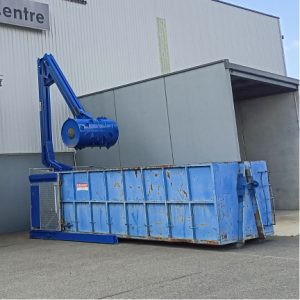
A skip bin compactor is a cost-effective option for businesses looking for waste volume reduction when generating large amounts of waste that result in a high collection frequency. The compactor compresses waste directly into standard skip bins, making disposal simple with notable cost reductions and ROI.
Best suited for:
- Small manufacturing workshops.
- Car component manufacturers and installers.
- Any business where large amounts of waste is created that requires a high degree of labour to break the waste down into smaller pieces to fit traditional compactors and hoppers.
There are not many options out there for compacting directly in the skip bin, fortunately Waste Initiatives has just the solution for this waste problem in Australia.
The Bergmann Roll Packer: An Exclusive Solution
For businesses looking for a more advanced and versatile way to compact waste directly in skip bins, the Bergmann Roll Packer stands out as a unique option. Waste Initiatives is the exclusive distributor of Bergmann in Australia and New Zealand, offering a solution that delivers unmatched compaction efficiency.
Key Benefits of the Bergmann Roll Packer:
- Powerful Compaction: A heavy steel drum rolls back and forth, crushing bulky materials like pallets, timber, and packaging directly in the skip.
- Maximised Skip Capacity: Achieves up to 5:1 compaction ratio, reducing the number of skip exchanges required.
- Cost Savings: Lower transport and disposal costs by reducing skip hire and collection frequency.
- Eco-Friendly: Fewer skip movements mean reduced CO₂ emissions and a smaller environmental footprint.
- Operator-Friendly: Features like safety glazing, protective grilles, and remote diagnostics ensure reliability and ease of use.
Best suited for:
- Timber and pallet waste streams.
- Bulky packaging materials.
- Businesses paying high skip hire or exchange fees.
This makes the Bergmann Roll Packer not just a skip bin compactor, but a strategic investment for businesses generating large volumes of awkward or bulky waste.
Small Bin Compactors
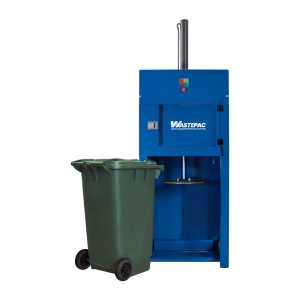
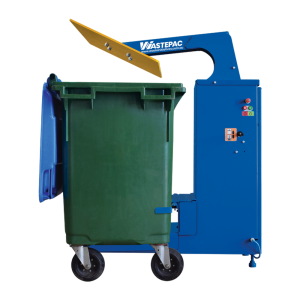
Small bin compactors are designed to compact waste directly into standard wheelie bins, including 240L, 660L, and 1100L sizes. These compactors are perfect for businesses with limited space or moderate waste volumes that still want to maximise bin capacity and reduce transport costs.
Best suited for:
- Cafés and restaurants.
- Office buildings.
- Smaller retail stores.
- Facilities with multiple waste collection points.
For 1100L bin sizes, the Bergmann APS1100 Roto Compactor achieves a 10:1 compaction ratio on various waste materials directly in the bin. If the 1100L bin is too small, you can consider the Bergmann PS1400 Roto Baler that compresses dry waste directly into plastic bags on a pallet for easy transport.
Key Benefits of Using a Compactor Bin
No matter the size of your operation, investing in an industrial compactor bin delivers measurable benefits:
- Waste Volume Reduction: Compressing waste can reduce its volume by up to 80%, allowing you to fit more into each collection and extend the time between pickups.
- Lower Transport Costs: Fewer collections mean significant savings over time. Many businesses achieve a full return on investment within a few years through reduced waste haulage costs.
- Improved Hygiene and Safety: Enclosed compaction systems help control odours, deter pests, and reduce the risk of waste overflow.
- Environmental Benefits: By compacting more waste into fewer loads, you reduce CO₂ emissions from transport and contribute to a more sustainable waste management process.
How to Choose a Compactor Bin for Your Business
When it comes to how to choose a compactor bin, several factors should guide your decision:
Assess Your Waste Type
- Dry waste (cardboard, paper, plastics) → static compactor
- Mixed waste → high-density compactor, skip bin compactor, or small bin compactor
Estimate Waste Volumes
Track your current waste generation for a week or month to get an accurate baseline. This will help determine bin size and compaction power needed.
Consider Space Availability
Measure your available space for installation and check access for collection vehicles. Small bin compactors are especially useful for sites with limited room.
Review Operational Workflow
Think about how waste is handled on-site, will waste be loaded manually, by forklift, or via a bin lifter?
Factor in Budget and ROI
While high-quality commercial waste compactors require upfront investment, the long-term savings on waste transport and landfill fees often make them the more cost-effective choice.
Compactor Bin Sizing Guide
Getting the size right is critical for cost-effectiveness. Below are the standard compactor bin sizes available in the Wastepac range, along with recommended applications:
| Bin Size | Ideal For | Waste Type | Typical Collection Frequency |
|---|---|---|---|
| 240–1100 L | Small retail, hospitality, offices | Mixed/light waste | Daily–weekly |
| 23 m³ | Medium retail or smaller industrial sites | Cardboard, plastics, packaging waste | Weekly |
| 25 m³ | Mid-size distribution or manufacturing | Dry recyclables & mixed waste | Weekly–fortnightly |
| 30 m³ | Large-scale retail and industrial operations | Bulky dry waste (cardboard, plastics) | Fortnightly |
| 32 m³ | Warehouses and light industrial | Mixed and bulky dry waste | Fortnightly |
| 35 m³ | Large manufacturing and logistics hubs | High-volume packaging & dry waste | Monthly |
| 38 m³ | Major industrial facilities, regional operations | Bulky & high-density dry waste | Monthly or less frequent |
Cost Considerations and ROI
When investing in an industrial compactor bin, factor in:
- Purchase or rental cost of the unit.
- Installation and training.
- Maintenance and servicing.
- Waste haulage savings (fewer collections, less landfill).
On average, businesses using waste compaction equipment can reduce waste transport costs by up to 50%. Over time, this saving offsets the initial investment, often delivering a payback within two to four years.
Compliance and Safety Standards
When purchasing a compactor bin in Australia, make sure it meets local safety regulations and Australian Standards for waste handling equipment. Look for features like:
- Emergency stop buttons.
- Safety interlocks.
- Lockable access doors.
- Clear safety signage.
Maintenance Tips for Longevity
To ensure your compactor lasts and operates safely:
- Schedule regular servicing.
- Train staff in safe operating procedures.
- Keep the unit clean to prevent build-up of waste residues.
- Check hydraulic systems and moving parts for wear.
Partnering with the Right Supplier
Working with an experienced supplier of commercial waste compactors ensures you get the right advice, quality installation, and ongoing support. A reputable supplier can also provide:
- Waste audits to determine the optimal solution.
- Customised bin and compactor setups.
- Preventative maintenance programs.
- Access to spare parts and technical support.
Choosing the right compactor bin is not just about waste storage, it’s about improving efficiency, reducing costs, and supporting your sustainability goals.
With options ranging from small bin compactors for 240L, 660L, and 1100L wheelie bins through to large static compactor bins in 23m³, 25m³, 30m³, 32m³, 35m³, and 38m³ capacities, there’s a solution to suit every business.
- Retailers and supermarkets can benefit from 23–25m³ bins for bulky cardboard and plastics.
- Manufacturers and warehouses often need 30–35m³ bins for packaging waste.
- Heavy industrial or regional operations gain maximum savings with 38m³ bins.
- Hospitality, healthcare, and offices can take advantage of small bin compactors for efficient day-to-day waste handling.
Whether you’re running a café, a warehouse, or a major distribution centre, investing in the right industrial compactor bin or commercial waste compactor from our range will help you cut costs, streamline collections, and improve site safety.
If you’re looking for a compactor bin in Australia, partner with a supplier who can match your waste stream with the correct size and type of compactor. With the right solution in place, your waste management system becomes not just a necessity, but a strategic investment in your business’s future.
For more information get in contact with our specialist team and we will help you choose the right solution for your waste problem.
Latest news
What Did Your Waste Operation Tell You This Year?
79 Million Tonnes of Waste: What Australia’s Latest Data Reveals