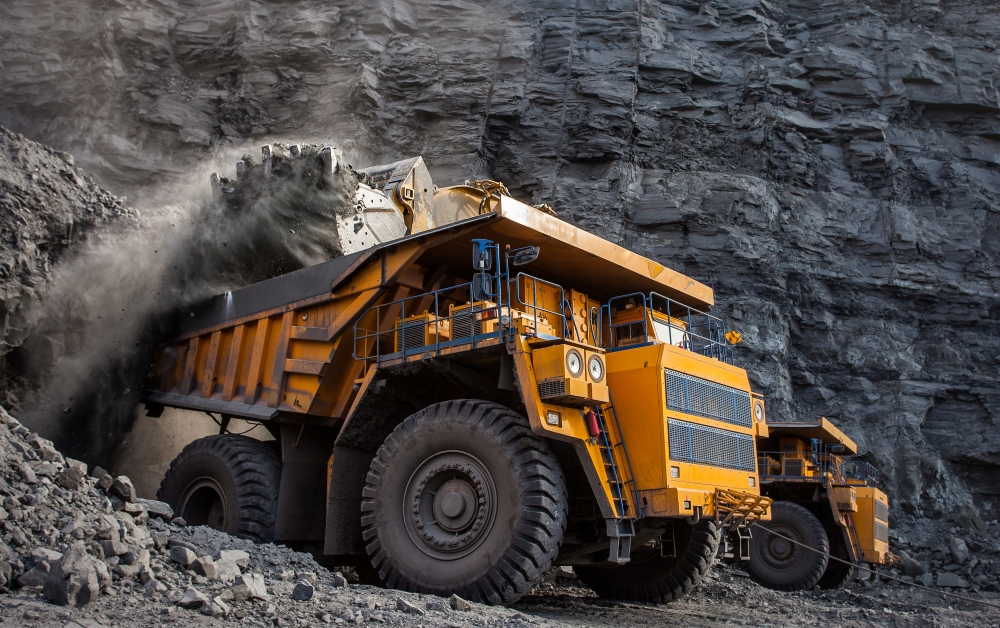
Australia’s mining sector faces a growing challenge that continues to expand every year — what to do with end-of-life Off-The-Road (OTR) tyres.
Used across mining haul trucks, loaders and heavy mobile equipment, OTR tyres are engineered for durability, scale and extreme operating conditions. However, once they reach the end of their service life, these same characteristics make them one of the most difficult waste streams to process and recycle effectively.
For decades, many mine sites have relied on burial or long-term stockpiling as the primary method of disposal. But industry pressure is building for legislative reform that could eventually restrict or eliminate the burial of mining tyres altogether.
According to the Tyre Stewardship Australia (TSA) article “TSA Calls for Legislative Change to End Mining Tyre Burial”, an estimated 130,000 tonnes of mining tyres are generated annually in Australia, with only a small percentage currently recovered through recycling pathways.
As environmental expectations increase and sustainability targets tighten across the mining sector, the industry is moving closer to a future where large-scale recovery and processing infrastructure will become essential.
Why OTR Tyres Are So Difficult to Recycle
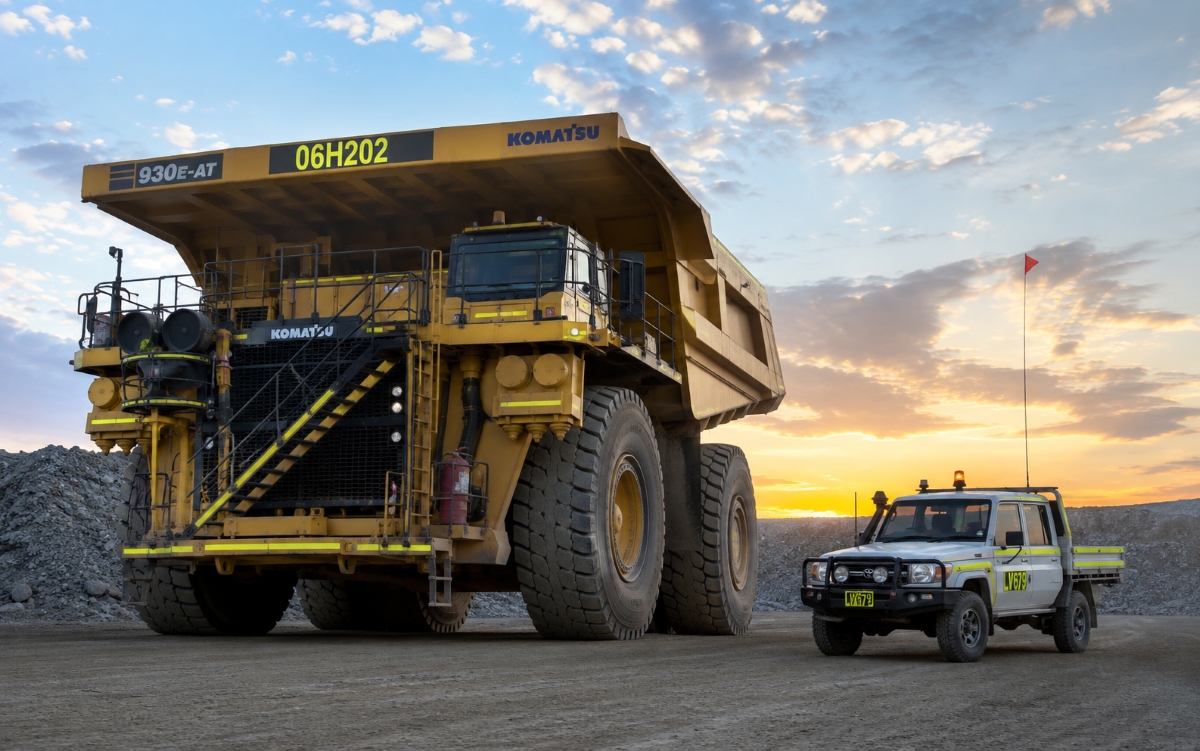
Mining tyres are significantly different from passenger, truck and bus tyres.
Their massive size, thick sidewalls and high steel content make them extremely difficult to process using conventional tyre recycling systems. Many OTR tyres contain heavy steel bead bundles and reinforced casing structures designed to withstand enormous operating loads.
Before these tyres can move into downstream shredding or material recovery systems, they often need to be downsized and prepared properly.
This is where OTR tyre debeading becomes critical.
The Role of OTR Tyre Debeading
Debeading is the process of removing the thick steel bead bundles from the tyre casing before shredding.
In mining tyres, these bead bundles can contain large volumes of high-tensile steel wire that places significant strain on shredding equipment. Removing the bead prior to shredding helps improve downstream efficiency and reduce wear on cutting systems.
Waste Initiatives supplies premium Eagle OTR tyre debeaders designed specifically for heavy mining and earthmoving tyres, helping operators safely remove reinforced bead wire before downstream shredding and material recovery processes.
OTR debeading can provide several operational benefits:
- Reduces stress on shredders and cutting components
- Improves throughput consistency
- Minimises equipment wear and maintenance
- Helps improve downstream steel separation
- Reduces handling difficulties during shredding
- Assists with tyre downsizing and preparation
As the mining tyre recycling industry evolves, debeading is increasingly becoming an upstream preparation step rather than an optional process.
Building Scalable Mining Tyre Recycling Infrastructure
If Australia moves toward tighter regulation on tyre burial, scalable processing infrastructure will become increasingly important.
Recovering OTR tyres at meaningful volumes requires more than just basic shredding equipment. Mining operators and recyclers need systems capable of processing large quantities of heavy tyre material consistently and reliably.
This is where high-throughput industrial shredding systems become essential.
Barclay Shredders for High-Tonnage Tyre Processing
Waste Initiatives supplies premium Barclay shredding systems designed specifically for demanding tyre recycling applications.
Barclay shredders are widely recognised for their ability to process high volumes of tyres while delivering consistent output sizing for downstream recovery applications.
For OTR tyre recycling, reliability and throughput are critical.
Mining tyres are extremely dense and abrasive, requiring robust shredding systems capable of handling continuous heavy-duty workloads. Barclay systems are designed to withstand these conditions while maintaining production efficiency across large-scale recycling operations.
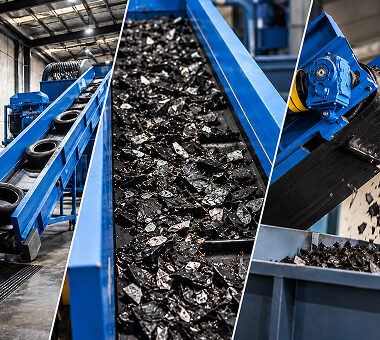
Primary shredding systems can process whole tyres into rough shreds suitable for downstream handling and separation, while secondary shredders further reduce material size for applications such as:
- Tyre Derived Fuel (TDF)
- Rubber crumb production
- Civil engineering applications
- Alternative manufacturing feedstock
- Resource recovery pathways
When integrated with debeading systems and downstream separation equipment, these systems help create a more commercially viable tyre recycling operation.

The Push Toward Legislative Change
Tyre Stewardship Australia continues to advocate for stronger regulation around mining tyre disposal practices.
The organisation has highlighted concerns around the long-term environmental risks of burying tyres on mine sites, along with the loss of valuable recoverable material that could otherwise support Australia’s circular economy objectives.
Future regulatory changes could significantly reshape how mining companies manage end-of-life tyres.
This shift may drive increased investment into:
- OTR tyre downsizing systems
- Debeading equipment
- High-capacity shredding systems
- Mobile tyre processing solutions
- Regional tyre recovery infrastructure
- Resource recovery and material separation systems
As the industry transitions away from burial and stockpiling, the ability to process tyres efficiently and at scale will become increasingly important.
Preparing for the Next Stage of Tyre Recycling
Mining tyre recycling in Australia is still developing, but momentum is building.
The combination of sustainability goals, environmental considerations, industry stewardship initiatives and potential legislative reform is accelerating the need for practical processing solutions that can manage OTR tyres safely and efficiently.
For operators looking to future-proof their recycling capabilities, upstream preparation systems like debeaders combined with robust high-throughput shredders will likely form the foundation of next-generation tyre recovery infrastructure.
Waste Initiatives works with mining operators, recyclers and resource recovery facilities to deliver complete tyre processing solutions, from debeading and downsizing through to primary and secondary shredding systems designed for demanding applications.
To discuss OTR tyre recycling solutions or large-scale tyre processing systems, contact the team at Waste Initiatives today.
Latest news
Cardboard Baler vs Compactor: Which Cuts Waste Costs for Warehouses and Retail?
From Machine Throughput to Processing Line Performance