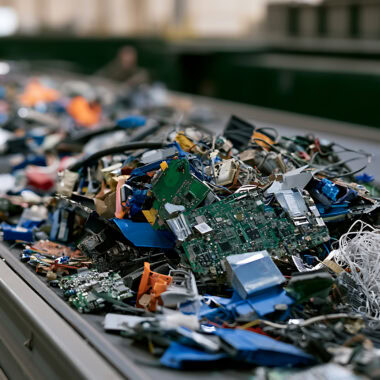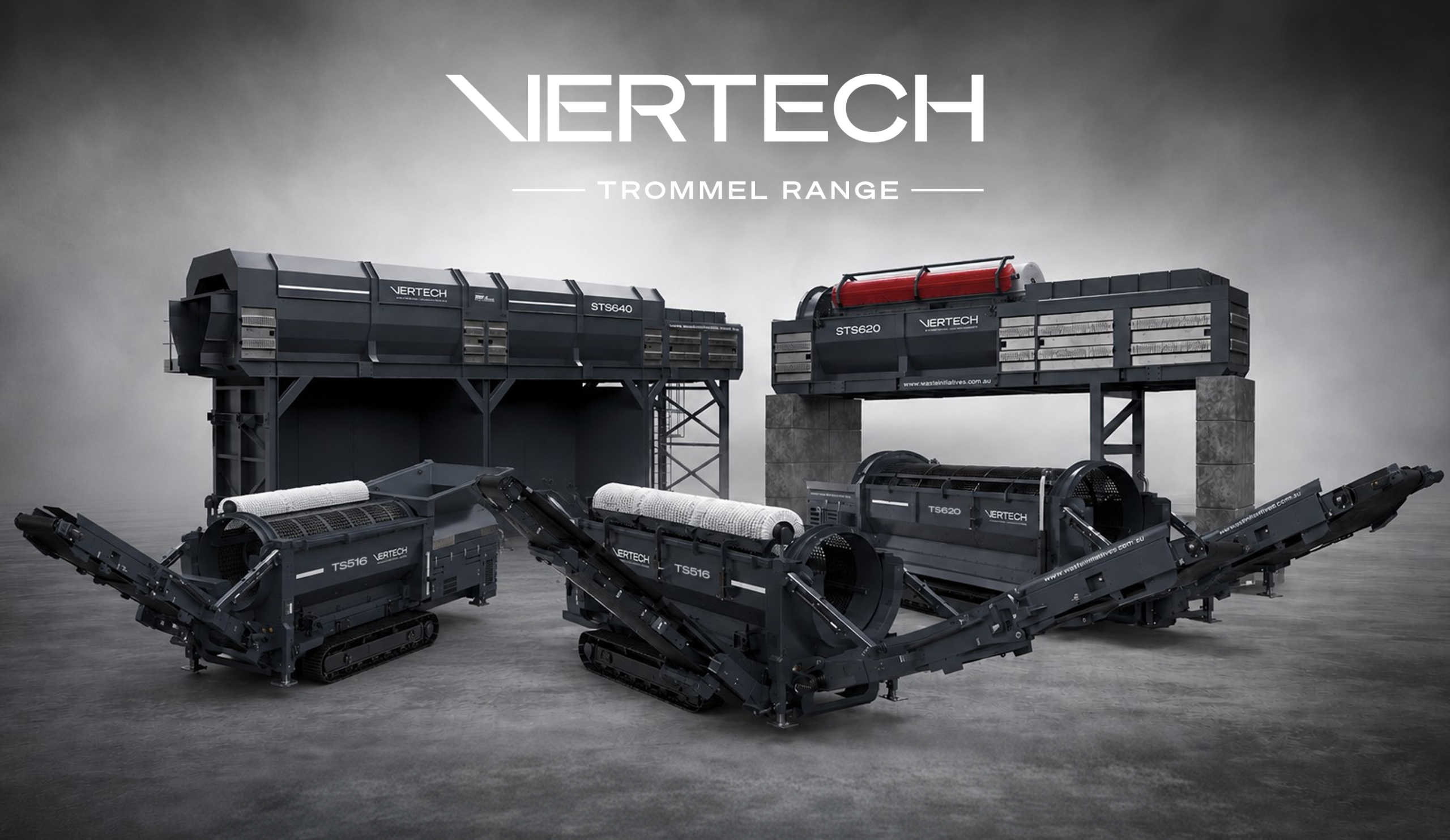
As recycling facilities continue to face increasing pressure to improve recovery rates, reduce contamination and maximise value from incoming waste streams, operators are looking beyond standalone equipment and focusing on complete resource recovery systems. Effective screening is often one of the first and most important steps in achieving these recovery objectives.
Whether processing commercial and industrial waste, construction and demolition material, municipal waste, organics or skip waste, the goal remains the same: recover more material, reduce landfill dependency and improve operational efficiency.
While sorting equipment and picking stations often receive much of the attention, one piece of equipment frequently determines how efficiently the entire facility operates: the trommel screen.
Modern trommel screens are increasingly becoming the critical part of a recycling system, helping facilities reduce sorting costs, improve material presentation and create cleaner streams for downstream recovery.
What is a Trommel Screen and why are they So Effective?
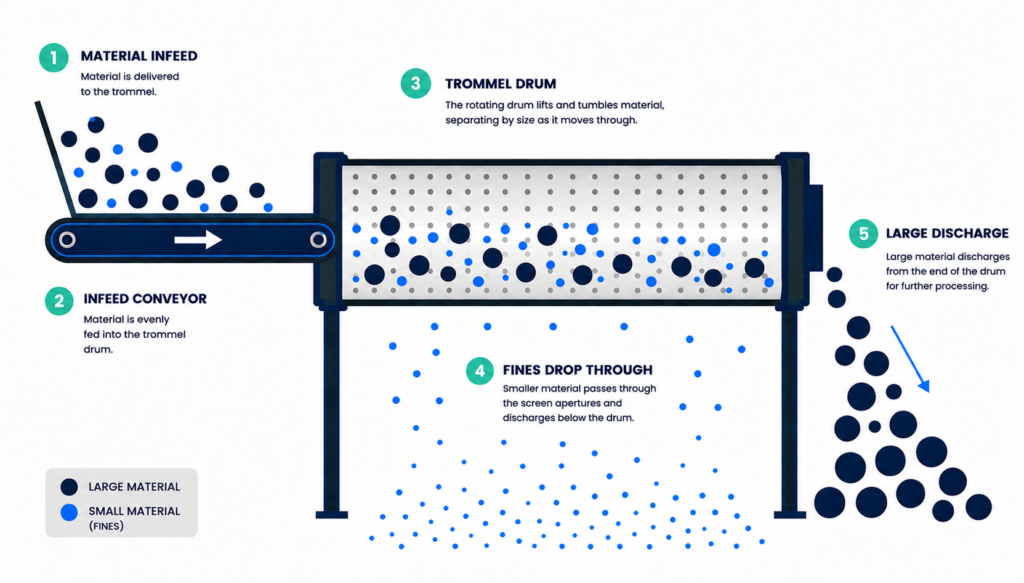
A trommel screen is a rotating cylindrical screening machine used to separate materials by size, making it one of the most widely used screening technologies in waste and recycling operations.
As material moves through the rotating drum, the tumbling action continuously exposes it to the screening surface, allowing fines to pass through while larger materials continue downstream.
This makes trommel screens highly effective for mixed waste, organics, C&D and C&I applications, helping improve material separation, reduce contamination and support better recovery outcomes. Different drum configurations and screen aperture sizes can also be used to tailor screening performance to specific waste streams and recovery objectives.
Mobile Vs Static Trommel Screens
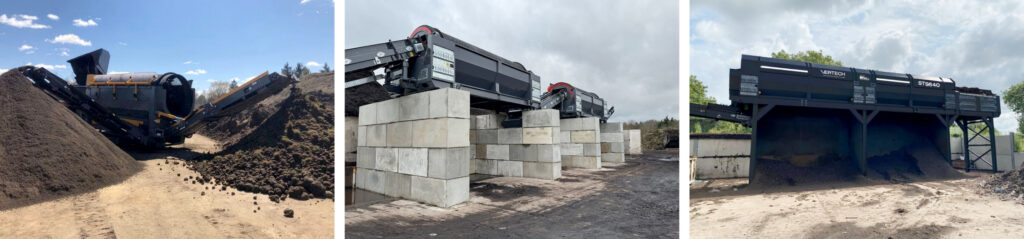
The choice between a mobile trommel screen and a static trommel screen depends on the application and operational requirements.
Mobile Trommel Screens
Often selected by councils, contractors, site remediation companies and multi-site operators, mobile trommels provide flexibility and can be relocated as operational needs change.
Static Trommel Screens
Commonly used in resource recovery facilities, transfer stations, recycling centres and composting operations, static trommels are designed for long-term integration into permanent processing lines.
View The Vertech Trommel Screen Range.
Why Material Preparation Matters In Recycling
Every load entering a recycling facility is different.
Mixed waste streams often contain a combination of:
- Soil and fines
- Organics
- Timber
- Metals
- Plastics
- Paper and cardboard
- Glass fragments
- General contaminants
Without effective material preparation, all of these materials enter the sorting process together. This can reduce recovery rates, increase contamination, create bottlenecks and place additional wear on downstream equipment.
By separating materials based on size before they reach later processing stages, trommel screens create cleaner and more consistent material streams that are easier to sort and recover.
A Trommel Screen Doesn’t Recover Material – It Prepares Material For Recovery
While trommel screens separate materials by size, their real value lies in preparing waste streams for downstream recovery.
By removing fines and undersized material before sorting, trommels help create cleaner streams that are easier and more cost-effective to process.
This can deliver several operational benefits:
- Improved Material Presentation: Removing fines early makes larger recoverable materials easier to identify and separate.
- Higher Recovery Rates: Cleaner streams create more opportunities to recover valuable commodities.
- Reduced Contamination: Separating fines before sorting improves the quality of recovered materials.
- Increased Throughput: Downstream equipment can process prepared material more efficiently.
- Lower Operating Costs: Reducing unnecessary handling improves overall facility productivity.
For many facilities, the trommel becomes one of the most important pieces of equipment in the entire recovery process.
Why Trommel Screens And Picking Stations Work So Well Together
One of the most common integrations in modern recycling facilities is the combination of a trommel screen and a picking station.
A typical processing flow may look like:
Receiving Area → Trommel Screen → Conveyor System → Picking Station → Recovered Commodities

By removing fines before sorting begins, operators are presented with cleaner, more manageable material streams.
This helps improve visibility of valuable commodities, increases picking efficiency, supports higher recovery rates and can reduce dust throughout the facility.
Many successful recycling operations view the trommel and picking station as complementary technologies.
THE TROMMEL PREPARES THE MATERIAL. THE PICKING STATION RECOVERS THE VALUE.
Conveyors Are The Link Between Every Processing Stage
Conveyors play a critical role in maintaining efficient material flow throughout a recycling facility.
In a typical resource recovery operation, conveyors may be used to:
- Feed trommel screens
- Transfer screened material
- Supply picking stations
- Move recovered commodities
- Create storage stockpiles
- Feed additional processing equipment
When conveyors are designed as part of an integrated system, facilities can reduce bottlenecks, improve throughput and maintain consistent production.
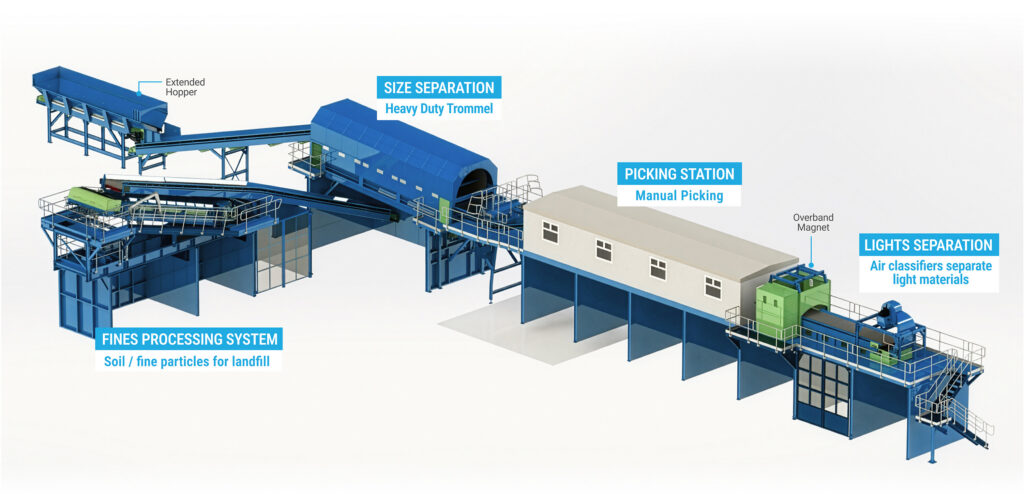
Building Complete Resource Recovery Systems
Modern recycling facilities achieve the best results when screening, sorting and material handling equipment are designed as an integrated system.
A typical resource recovery system may include:
Trommel Screens: Used to separate fines and prepare material for recovery.
Conveyors: Used to efficiently transfer material throughout the facility.
Picking Stations: Used to recover valuable commodities from prepared waste streams.
Additional Sorting Equipment: Such as air, magnetic and optical separators, used to further separate and recover recyclable materials.
When combined into a complete processing solution, these technologies help improve material flow, increase recovery opportunities and support more efficient facility operations.
Explore Our Sorting Equipment Solutions.
Supporting Recovery Targets And Diversion Goals
As recovery targets continue to increase across the waste and recycling sector, facilities are looking for ways to improve efficiency and maximise the value of recovered materials.
Effective trommel screening can help deliver:
- Higher recovery performance
- Reduced landfill disposal
- Improved commodity quality
- Greater operational efficiency
- Better utilisation of sorting equipment
By separating materials into more consistent fractions before downstream processing, trommel screens help create a stronger foundation for resource recovery operations.
The Return On Investment Often Extends Beyond The Trommel
When evaluating a trommel screen, many operators focus on the machine itself.
However, the greatest return often comes from improvements across the entire facility.
Potential benefits include:
- Increased material recovery
- Reduced landfill disposal costs
- Improved labour productivity
- Better commodity quality
- Higher throughput
- Reduced equipment wear
- Lower maintenance costs
Because these benefits impact multiple areas of the operation, the return on investment often extends well beyond the screening process alone.
Frequently Asked Questions About Trommel Screens
What Does A Trommel Screen Do?
A trommel screen separates materials by size using a rotating drum. It is commonly used to remove fines and prepare waste streams for downstream sorting and recovery.
Why Choose A Trommel Screen?
Trommel screens provide efficient size-based separation across a wide range of waste streams. Their rotating drum design makes them particularly effective for mixed waste, organics, C&D and C&I applications where consistent material separation is critical to downstream recovery.
Why Are Trommel Screens Used In Recycling Facilities?
Trommel screens help improve recovery rates by removing fines and contaminants before materials reach sorting equipment and picking stations.
What Materials Can Be Processed Through A Trommel Screen?
Depending on the drum configuration, trommel screens can process municipal waste, commercial and industrial waste, construction and demolition waste, organics, compost, soil, timber, aggregates and skip waste.
What Size Material Can A Trommel Screen Separate?
The material size separated by a trommel screen depends on the drum design and screen aperture configuration. Trommels can be configured to remove fine material, create multiple product streams or prepare waste for downstream sorting and recovery processes.
What Is The Difference Between A Mobile And Static Trommel Screen?
Mobile trommel screens provide flexibility for multiple sites and temporary operations, while static trommel screens are typically integrated into permanent recycling and resource recovery facilities.
Why Use A Trommel Screen Instead Of Other Screening Technologies?
Trommel screens are particularly effective for mixed waste, organics, C&D and C&I materials because the rotating drum continuously tumbles and separates material by size.
While technologies such as star screens, flip-flow screens and vibratory screens each have specific applications, trommels offer a versatile solution for handling variable waste streams while improving material separation and recovery outcomes.
Can A Trommel Screen Improve Recovery Rates?
Yes. By preparing material before sorting, trommel screens help create cleaner material streams, making valuable commodities easier to identify and recover.
The Foundation Of An Efficient Recovery Process
Effective screening remains one of the most important steps in modern recycling operations.
By creating cleaner material fractions and supporting more efficient downstream processing, trommel screens play a critical role in improving recovery performance across a wide range of waste streams.
Whether operating a mobile recycling plant, organics processing facility or fixed resource recovery operation, trommel screening can help improve material separation, reduce contamination and maximise recovery opportunities.
When integrated with conveyors, picking stations and sorting equipment, trommels become a critical component of a modern resource recovery system designed to maximise value from every tonne processed.
Looking For A Complete Resource Recovery Solution?
Waste Initiatives supplies complete resource recovery solutions including:
- Trommel Screens
- Picking Stations
- Conveyors
- Sorting Equipment
- Complete Recycling & Resource Recovery Systems
To discuss trommel screens or our complete sorting systems, contact the team at Waste Initiatives today.
Latest news
Cardboard Baler vs Compactor: Which Cuts Waste Costs for Warehouses and Retail?
From Machine Throughput to Processing Line Performance