Premium Waste Compaction for Australian Businesses
Efficient waste compaction is a critical priority for businesses across Australia. Whether you’re operating a retail store, a regional site, or a large-scale manufacturing facility, waste volumes can quickly eat into space and escalate costs. Cardboard, soft plastics, and bulky materials like timber pallets are among the most common contributors.
With rising operating expenses and strict sustainability targets, smart compaction solutions are helping Australian businesses minimise waste handling, reduce bin collection costs, and reclaim valuable floor space. Here’s how premium waste compaction equipment from Waste Initiatives supports better outcomes at every scale.
Understanding Waste Challenges by Business Size
Small business & retail
Back-of-store areas often face serious space constraints. Overflowing bins of cardboard and soft plastics lead to clutter, frequent pickups, and missed recycling opportunities. Manual handling increases labour strain and safety risks.
Medium-sized facilities
Commercial sites and warehouses generate more diverse waste streams, such as stretch wrap, offcuts, food packaging, and timber. These operations require more structured compaction solutions that improve site hygiene, safety, and workflow efficiency.
Large manufacturers & distribution centres
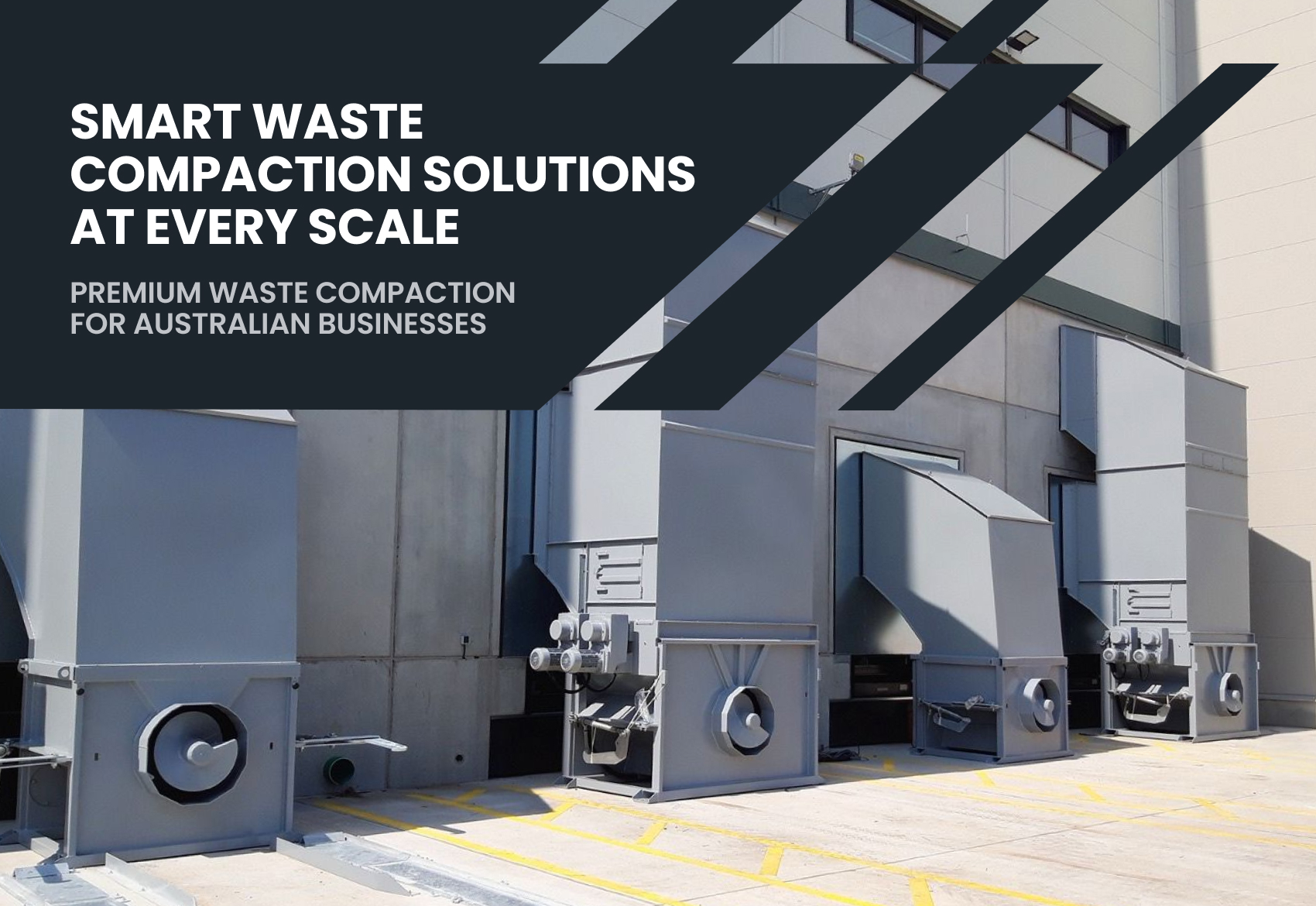
High-throughput sites generate vast volumes of cardboard, shrink wrap, and bulky packaging waste. Industrial-scale waste compaction equipment must integrate with conveyors, dock systems, and automation layouts to maintain throughput and reduce downtime.
Waste Compaction Equipment for Every Application
For Smaller Sites: Retail, Hospitality & Back-of-Store Areas
Compact, user-friendly units that suit narrow corridors and confined workspaces. They reduce bin volume, cut pickup frequency, and prep waste for recycling.
Recommended equipment:
Spotlight: Bergmann Roto Baler
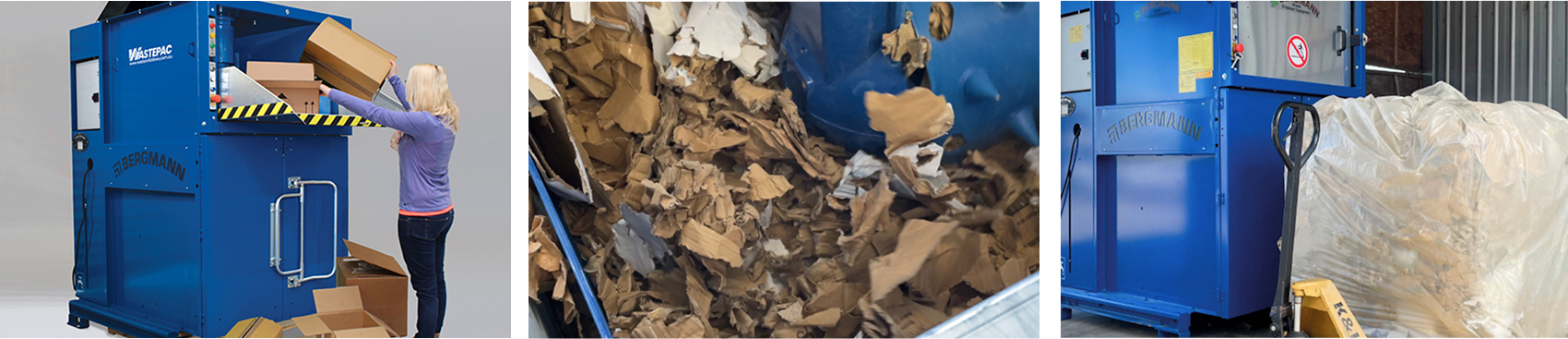
Automates the baling of dry waste like cardboard and plastic wrap into sealed bags. Designed for small-scale retail and hospitality, this premium compaction solution reduces manual handling and lowers bin costs. A compact, self-cleaning design suits space-limited locations. See more…
Compaction Ratio: 10:1
For Medium-Sized Facilities: Commercial & Industrial Sites
Sites with growing waste volumes benefit from equipment that delivers higher compaction ratios, reduces mess, and enhances manual handling through automation. These systems can be used scaleable from small to large facilities.
Recommended equipment:
- Stationary Blade Compactors
- Transfer Compactors
- Auger Compactors
- Mid-Large Vertical Balers
- Bergmann Roll Packer
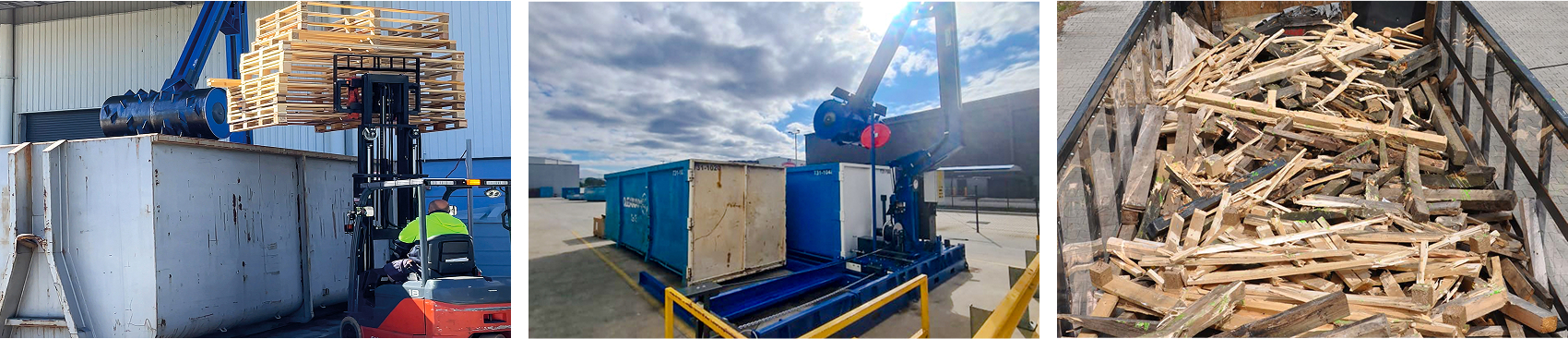
Spotlight: Bergmann Roll Packer
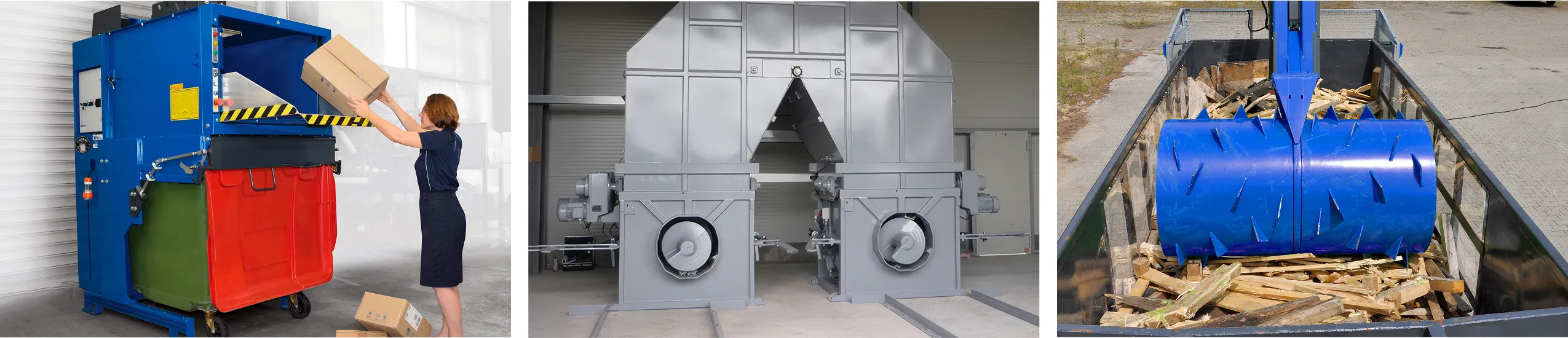
Purpose-built for bulky materials like timber pallets and crates, this drum-style compactor crushes waste directly into open-top bins—extending bin life and slashing waste transport costs. A premium choice for waste compaction at scale. See more…
Compaction Ratio: 5:1
For Large Operations: Manufacturing, Distribution & Recycling
High-output sites require rugged industrial waste compaction equipment with large capacity and smart integration options—ideal for connecting with conveyors, docks, and automation setups.
Recommended equipment:
- Bergmann Roll Packer
- H&G Auger Compactors (high-output systems)
- Bulk Feed Static & Transfer Compactors
Spotlight: H&G Auger Compactors
Ideal for commercial waste streams, this auger-based unit handles continuous loads with high compaction efficiency and jam-free performance. Suitable for cardboard, plastic film, and general commercial waste. Flexible for mid to large size and growing operations. See more…
Compaction Density: up to 250 kg/m3 (single), up to 300 kg/m3 (twin) – for cardboard. (Compaction and throughput will vary depending on material).

Seamless Site Integration
Waste Initiatives offers compaction solutions that adapt to your layout and waste handling needs:
- Conveyor-fed compactors for steady waste streams
- Ramp/dock-fed units for bulk packaging and pallet returns
- Manual load systems with bin lifters to improve safety and ergonomics
Our team supports custom installations with weather protection, safety interlocks and OH&S-compliant modifications.
Smarter, Safer Waste Compaction Technology
Modern waste compaction equipment includes:
- Automated load-sensing cycles
- Remote monitoring & diagnostics
- Power-saving standby modes
- Custom safety integration
- Compatibility with recycling lines (e.g. shredders, balers, conveyors)
Emerging technologies like predictive maintenance and IoT-enabled controls are reshaping how businesses manage waste.
Regulatory Drivers for Waste Compaction in Australia
Laws make premium waste compaction a smart investment, here are just some that impact businesses decisions to invest in infrastructure:
- National Packaging Targets: 100% of packaging to be reusable, recyclable, or compostable by 2025 🔗
- NSW Regulations: Recovery of 90% of packaging and bans on certain single-use plastics 🔗
- Timber pallet reuse: Encouraged by the NSW EPA 🔗
- Cardboard export rules: Require clean, sorted material—best achieved through on-site compaction solutions 🔗
WastePac: Reliable Waste Compaction at a Practical Price
For businesses needing dependable, cost-effective waste compaction, our WastePac range is trusted by hundreds of Australian operations.
Equipment options:
- Vertical Balers
- Horizontal Balers
- Static Compactors
- Portable Compactors
These solutions offer robust performance without compromise, making them a go-to for everyday compaction needs.
Find the Right Waste Compaction Solution for Your Business
Whether you’re compacting soft plastics in a warehouse or reducing pallet waste in manufacturing, Waste Initiatives delivers tailored compaction equipment for Australian conditions. Our equipment is backed by local support teams and proven across industries.
👉 Explore our waste compactor range or contact our team to discuss the right premium waste compaction solution for your site.
Latest news
What Did Your Waste Operation Tell You This Year?
79 Million Tonnes of Waste: What Australia’s Latest Data Reveals