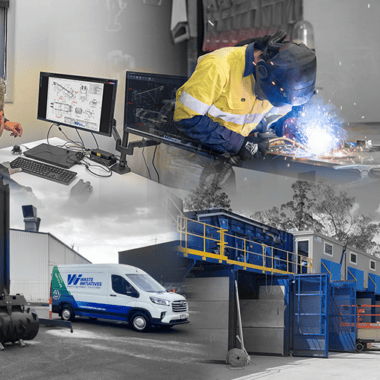
Across Australia, FOGO is moving from rollout to refinement.
Across Australia green bin systems have been running for years, and awareness is continuing to grow across households and businesses when it comes to responsible disposal of food and organic waste.
At the same time, FOGO mandates in states like New South Wales are accelerating the transition, bringing more regions into the FOGO system.
This progress marks a significant step forward.
But as the industry comes together at AORA Annual Conference this week, a new phase is emerging.
The focus is no longer on introducing FOGO. It is on improving how well it performs.
The Next Phase of FOGO: From Collection to Performance
The rollout of green bins has been successful in establishing the foundation for organics recovery from businesses and households.
However, once material is collected, the real challenge begins.
Material must be transported, sorted, pre-processed, and prepared for recovery through composting or anaerobic digestion. The effectiveness of each of these stages is directly influenced by the quality of the incoming feedstock. This is where many councils are now focusing their attention.
Contamination Is the Real Challenge at Collection
With FOGO systems now in place, the primary issue councils are managing is not access to bins, but what is going into them.
Despite strong education efforts, contamination remains a consistent challenge, driven largely by variability in waste producer behaviour.
Common issues include:
- Packaged food entering FOGO bins
- Incorrect materials being placed in organics streams
- Mixed commercial loads with inconsistent separation
- Differences in discipline across households and businesses
This highlights an important shift:
The challenge is no longer rollout. It is maintaining discipline to keep FOGO streams clean.
Cleaner feedstock begins at the source, and improving this requires ongoing engagement, education, and enforcement.
However, even with best practice collection systems, contamination will always be present to some degree.
Which is why the focus must also move beyond collection.
Processing Must Be Designed for Real-World Feedstock
As FOGO volumes increase under state mandates, processors are receiving more material, but not always better material.
Operators such as Re.Group, SOILCO, Cleanaway, and Veolia are working with:
- Packaged and unsaleable food waste
- Mixed commercial organics
- Variable contamination levels
- Inconsistent feedstock composition
This creates operational pressure.
Without the right infrastructure, these materials can reduce throughput, impact output quality, and increase the cost and complexity of processing.
This is driving investment in pre-processing efficiency as a critical capability.
Pre-Processing Is Enabling Cleaner Feedstock
Pre-processing is where incoming material is transformed into a usable feedstock.
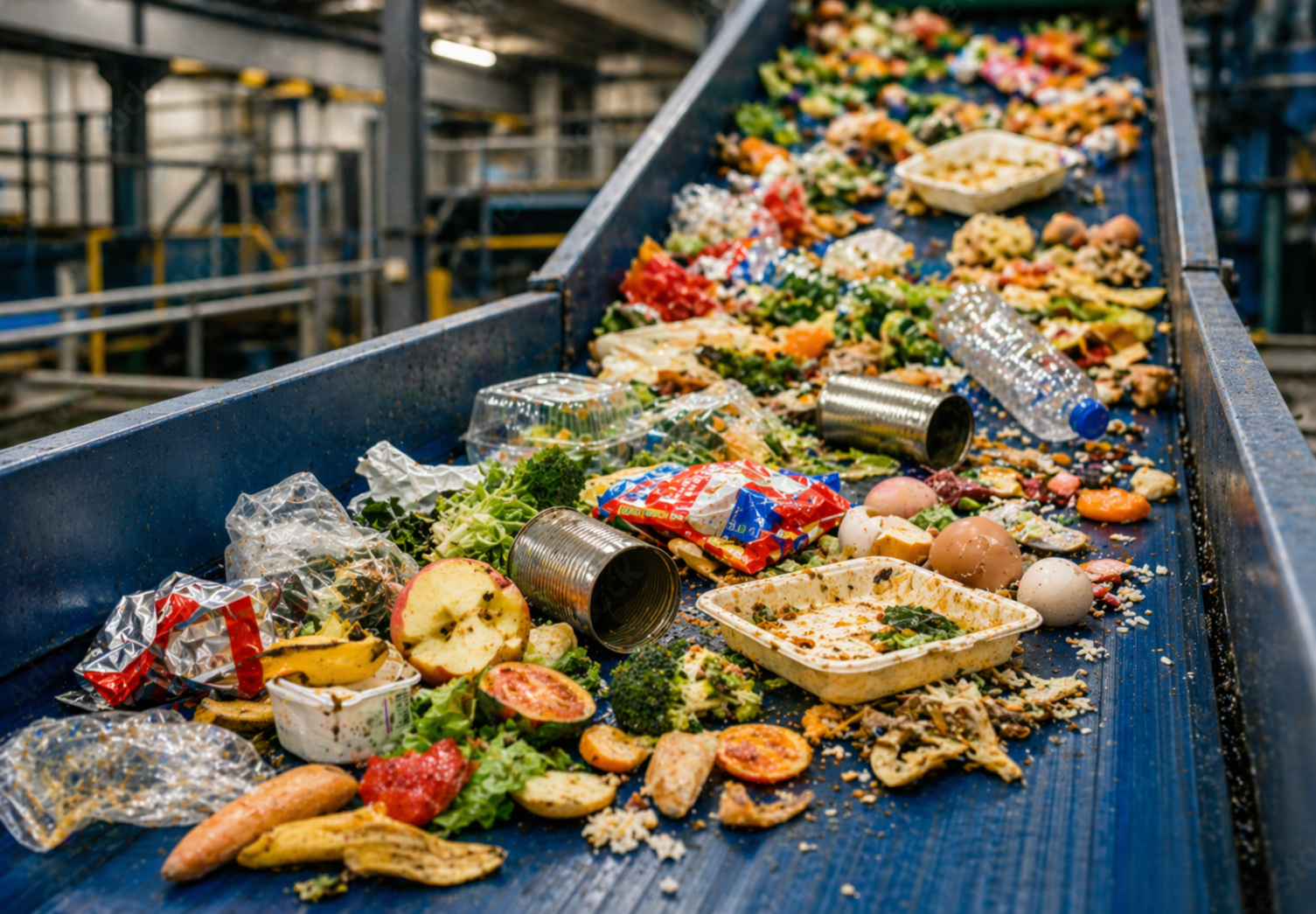
It is the stage where:
- Packaging is removed
- Contamination is separated
- Material is conditioned for recovery
When this step is well designed, it creates a consistent and clean input stream that allows downstream systems to operate effectively.
When it is lacking, the impact flows through the entire system.
Operators may experience:
- Higher contamination in compost outputs
- Increased reject volumes
- Reduced recovery rates
- Greater wear on processing equipment
This is why improving recovery performance starts with improving how material is prepared before processing.
Flexible Infrastructure Supports Changing Conditions
FOGO streams are dynamic.
They vary across regions, sectors, and seasons, and are influenced by both household behaviour and commercial activity. Even well-intentioned community programs like Clean Up Australia Day present their own unique challenges to the waste that is collected, even when sorting is put in place at the point of collection.
To manage this variability, infrastructure must be adaptable.
There is a growing shift toward flexible and scalable solutions, including:
- Mobile and modular sorting systems
- Depackaging solutions for packaged organics
- Screening and separation technologies
To read more about our Mobile Sorting Solutions, see the latest feature in Waste Management Review.
These solutions allow operators to respond to changing feedstock conditions, manage contamination more effectively, and scale operations in line with demand.
FOGO Performance Is a Shared Responsibility
As the system matures, it is clear that FOGO performance depends on alignment across multiple stakeholders.
- Waste producers must maintain discipline at the source.
- Councils must continue to support education and system design.
- Processors must invest in infrastructure that can handle real-world material.
- State governments need to knowledge share and start moving together to bring a unified approach to Australia.
Each part of the system plays a role. When these elements work together, outcomes improve.
When gaps exist, contamination increases and recovery performance declines and solutions take longer to implement.
AORA 2026: From Rollout to Optimisation
The AORA participation list reflects an industry that is actively working through this transition. The 2026 Annual Conference also demonstrates why industry bodies like AORA are important to bring knowledge sharing to the table.
The conversation can now be centred on:
- Cleaner feedstock
- Pre-processing efficiency
- Reducing contamination
- Improving recovery performance
This signals a more mature phase of FOGO development, where the emphasis is on system performance rather than system rollout.
Closing the Gap Between Collection and Recovery
FOGO has successfully moved into widespread adoption.
The next step is ensuring it delivers consistent and high-quality recovery outcomes.
This requires:
- Continued focus on discipline at the source
- Investment in infrastructure that cleans and prepares feedstock
- Flexible systems that can respond to variability
- Strong alignment across the value chain
Because ultimately, FOGO success is not defined by the presence of bins. It is defined by what happens to the material inside them.
Cleaner feedstock starts at the source and is enabled by the right infrastructure.
To explore the solutions Waste Initiatives, have to enable and support FOGO mandates, get in touch to speak to a one of our Solutions Specialists today.
Latest news

What Did Your Waste Operation Tell You This Year?
79 Million Tonnes of Waste: What Australia’s Latest Data Reveals